9 tribes sue to stop exploratory drilling in Black Hills near sacred site
Read Original Source
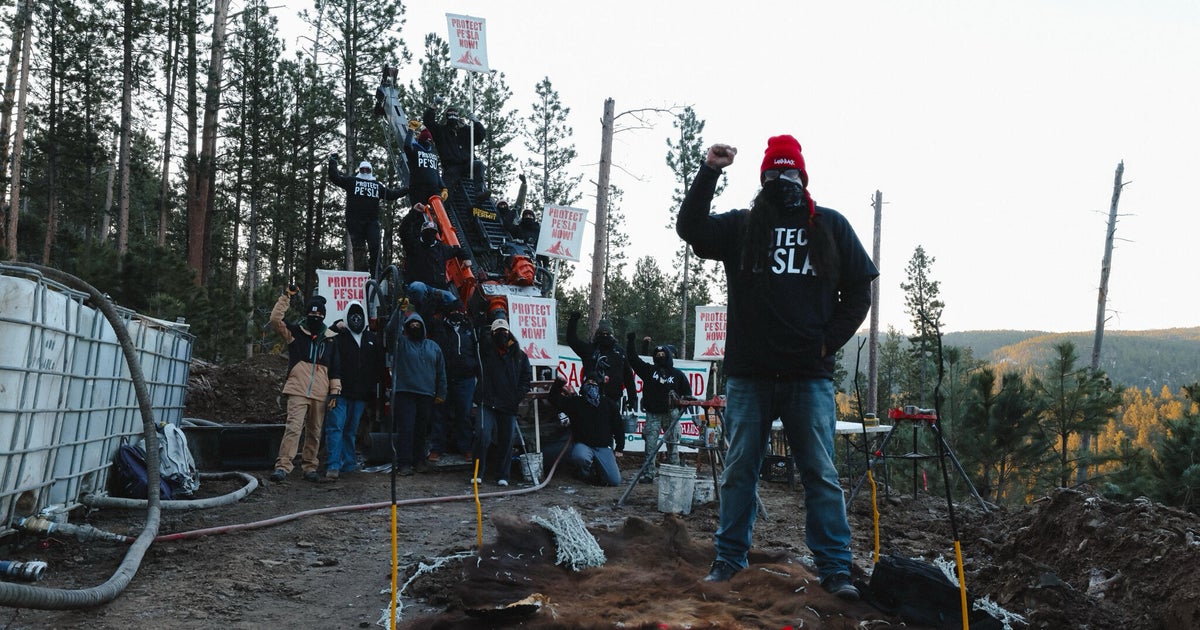
Sioux Falls, S.D. — Nine Native American tribes in South Dakota, North Dakota and Nebraska are suing the federal government in a bid to stop exploratory drilling for graphite near a sacred site in the Black Hills. A small group of demonstrators has been protesting at the drilling location and at the mining company's headquarters since they learned ground was broken on the drilling project in late April. The tribes filed their federal lawsuit Thursday in South Dakota against the U.S. Forest Service and U.S.
AI Summary
Main Idea: Nine Native American tribes sued the U.S. Forest Service and U.S. Department of Agriculture to try to stop exploratory graphite drilling near a sacred Black Hills site.
Key Points:
- The lawsuit says the agencies approved Pete Lien & Sons’ drilling project near Pe'Sla without proper tribal consultation or environmental review.
- Tribes say Pe'Sla is used for ceremony, prayer, and youth camps, and that drilling could harm its cultural and religious importance.
- Protesters have been blocking access and demonstrating at the site and at the company’s headquarters since drilling began in late April.
- Opponents also want the court to halt the project immediately, arguing drilling could be the first step toward a future mine.
Impact on the People
Negative Impact
The dispute could delay a graphite project and add legal costs for taxpayers, workers, and the company.
Positive Impact
The lawsuit could protect a sacred site and limit damage to tribal land, tourism, and local water or wildlife if drilling is stopped.
How did each entity affect people?
Rate how each entity in this article affected the American people.
- Primary:Pete Lien & Sonscompany
- Primary:U.S. Forest Servicegovernment agency or body
Candidate Entities11 candidates · 5 weighted vote min · 70% decision
- Pete Lien & SonscompanyPrimaryEvaluated
Mining company whose exploratory drilling project near Pe'Sla is the central subject of the lawsuit and protests.
Include 0 (0%)Ignore 0 (0%)5 to threshold - U.S. Forest Servicegovernment agency or bodyPrimaryEvaluated
Federal agency that approved the drilling permit and is a principal defendant in the tribes’ lawsuit.
Include 0 (0%)Ignore 0 (0%)5 to threshold - Oglala Sioux Tribepolitical organizationMajorAI selected
One of the nine tribes suing and its president is quoted as describing the case as a historic.
Include 0 (0%)Ignore 0 (0%)5 to threshold - Rosebud Sioux Tribepolitical organizationMajorAI selected
One of the nine tribes involved in the lawsuit and represented in quoted tribal advocacy.
Include 0 (0%)Ignore 0 (0%)5 to threshold - U.S. Department of Agriculturegovernment agency or bodyMajorAI selected
Parent department of the Forest Service and named defendant in the federal lawsuit.
Include 0 (0%)Ignore 0 (0%)5 to threshold - Cheyenne River Sioux Tribepolitical organizationContextCandidate
One of the plaintiff tribes mentioned as part of the nine-tribe coalition.
Include 0 (0%)Ignore 0 (0%)5 to threshold - Sisseton Wahpeton Oyatepolitical organizationContextCandidate
One of the plaintiff tribes mentioned as part of the nine-tribe coalition.
Include 0 (0%)Ignore 0 (0%)5 to threshold
Comments 0
Comments here are the same thread shown when this article appears in The Pulse.
No comments on this article yet.
Sign in to comment