Vehicle production in the UK falls to 73-year low
Read Original Source
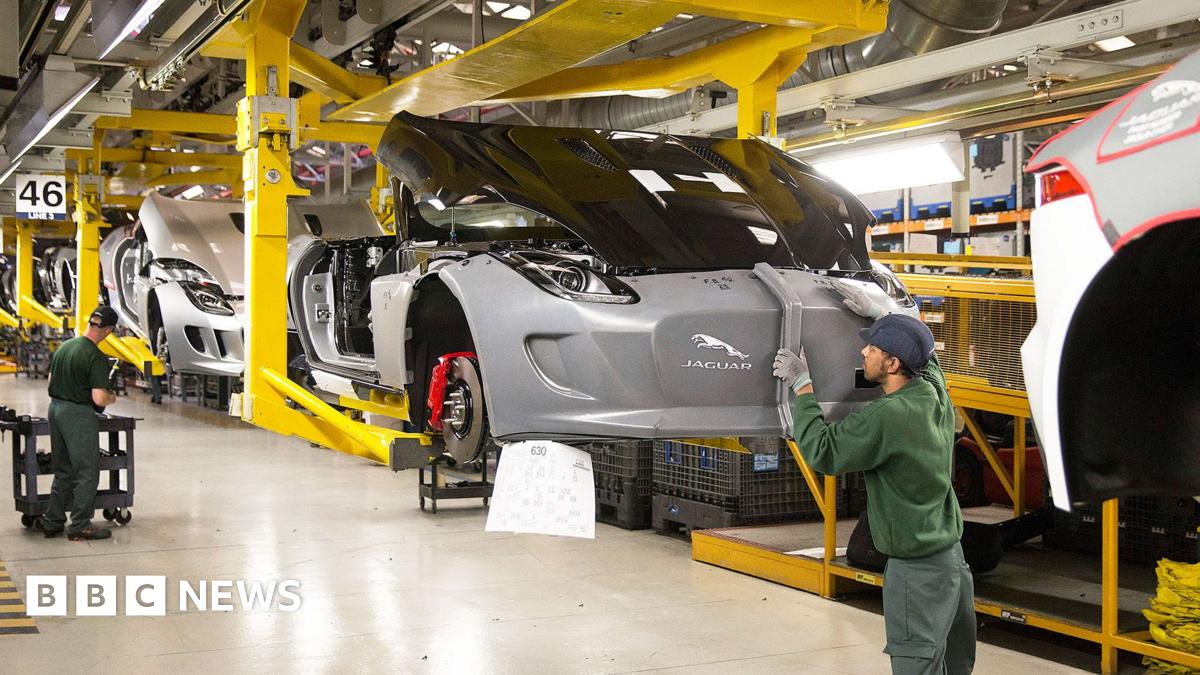
British car, van, truck and bus production fell to its lowest level since 1952 last year, according to the Society of Motor Manufacturers and Traders (SMMT). Its chief executive Mike Hawes said it had been "the toughest year in a generation", with output hit by a major cyberattack at Jaguar Land Rover, the closure of Vauxhall's plant in Luton and deep uncertainty over US trade policy. The situation is expected to improve this year, with the introduction of new electric models.
AI Summary
Main Idea: UK vehicle production fell to its lowest level since 1952, and Mike Hawes said the industry faces both short-term shocks and longer-term risks.
Key Points:
- The Society of Motor Manufacturers and Traders said 764,715 vehicles were built in the UK in 2025, down 15.5% from 2024.
- A cyberattack on Jaguar Land Rover, the closure of Vauxhall’s Luton plant, and uncertainty over US trade policy all cut output.
- Car and van production is expected to improve this year as new electric models enter production, with output possibly topping 1 million by 2027.
- Hawes warned that higher costs, weak supply chains, and tougher EU rules could make it harder for UK-made vehicles to stay competitive.
Impact on the People
Negative Impact
UK auto trouble can raise prices or limit choices for US buyers, and tariffs or supply shocks can ripple through jobs and parts markets.
Positive Impact
New UK electric models could improve supply options for US dealers and buyers if trade rules stay stable.
How did each entity affect people?
Rate how each entity in this article affected the American people.
- Primary:Mike Hawesperson
Candidate Entities10 candidates · 5 weighted vote min · 70% decision
- Mike HawespersonPrimaryEvaluated
Named chief executive whose warnings and forecasts are a major focus of the article.
Include 0 (0%)Ignore 0 (0%)5 to threshold - United KingdomcountryPrimaryAI selected
Core national focus of the story about collapsing vehicle production and government targets.
Include 0 (0%)Ignore 0 (0%)5 to threshold - European Unioninternational organizationMajorAI selected
Central external actor in the trade and rules-of-origin pressures facing UK vehicle exports.
Include 0 (0%)Ignore 0 (0%)5 to threshold - Jaguar Land RovercompanyMajorAI selected
Major manufacturer whose cyberattack and production disruption are key drivers of the decline.
Include 0 (0%)Ignore 0 (0%)5 to threshold - NissancompanyMajorAI selected
Major manufacturer whose model changes and new electric Leaf rollout are part of the production outlook.
Include 0 (0%)Ignore 0 (0%)5 to threshold - United StatescountryMajorAI selected
Important trade partner whose tariffs and policy shifts affected UK car exports and output.
Include 0 (0%)Ignore 0 (0%)5 to threshold - VauxhallcompanyMajorAI selected
Major manufacturer tied to the closure of its Luton plant and the drop in commercial vehicle output.
Include 0 (0%)Ignore 0 (0%)5 to threshold - ChinacountryContextCandidate
Named as the most likely source of a new manufacturer the UK wants to attract.
Include 0 (0%)Ignore 0 (0%)5 to threshold
Comments 0
Comments here are the same thread shown when this article appears in The Pulse.
No comments on this article yet.
Sign in to comment