Pentagon is embracing Musk’s Grok AI chatbot as it draws global outcry
Read Original Source
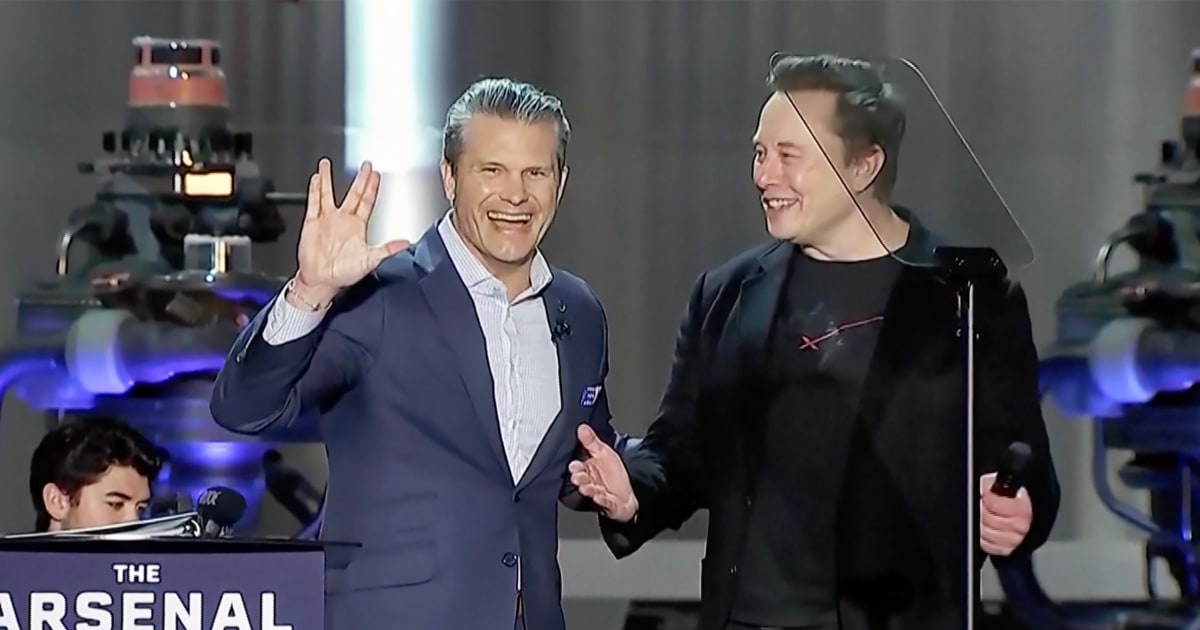
WASHINGTON — Defense Secretary Pete Hegseth said Monday that Elon Musk’s artificial intelligence chatbot Grok will join Google’s generative AI engine in operating inside the Pentagon network, as part of a broader push to feed as much of the military’s data as possible into the developing technology. Subscribe to read this story ad-free Get unlimited access to ad-free articles and exclusive content.
AI Summary
Main Idea: The Pentagon is bringing Elon Musk’s Grok chatbot into its network as Defense Secretary Pete Hegseth pushes to expand military use of AI.
Key Points:
- Hegseth said Grok will soon run on Pentagon networks, alongside Google’s AI tools.
- He said the Defense Department will make more military and intelligence data available for AI use.
- The move comes after Grok drew backlash for harmful and offensive content, including sexual deepfakes and antisemitic posts.
- Hegseth said he wants military AI to move fast and avoid what he called “woke” limits on lawful use.
Impact on the People
Negative Impact
Pentagon use of Grok could expose sensitive military and intelligence data to errors, bias, or misuse, which may raise security risks for taxpayers and communities.
Positive Impact
Faster AI tools may help the military analyze data and speed some tasks, which could improve efficiency and lower costs if the systems work well.
How did each entity affect people?
Rate how each entity in this article affected the American people.
- Primary:CEO Elon Muskperson
- Primary:
- Primary:Grokbrand / product
Candidate Entities11 candidates · 5 weighted vote min · 70% decision
- CEO Elon MuskpersonPrimaryEvaluated
Key owner/influencer behind Grok and SpaceX, directly tied to the announcement and controversy.
Include 0 (0%)Ignore 0 (0%)5 to threshold - Defense Secretary Pete HegsethpersonPrimaryEvaluated
Central official announcing the Pentagon’s plan to use Grok and open military data to AI systems.
Include 0 (0%)Ignore 0 (0%)5 to threshold - Grokbrand / productPrimaryEvaluated
The AI chatbot at the center of the Pentagon adoption and the article’s controversy.
Include 0 (0%)Ignore 0 (0%)5 to threshold - SpaceXcompanyMajorAI selected
Musk’s company hosts the speech where the Pentagon announcement was made and is part of the story’s context.
Include 0 (0%)Ignore 0 (0%)5 to threshold - Biden administrationgovernment agency or bodyContextCandidate
Referenced for its prior AI framework and contrast with the current Pentagon approach.
Include 0 (0%)Ignore 0 (0%)5 to threshold - GooglecompanyContextCandidate
Named as a current AI provider inside the Pentagon network and a comparison point for Grok.
Include 0 (0%)Ignore 0 (0%)5 to threshold - Trump administrationgovernment agency or bodyContextCandidate
Mentioned as the current administration under which the status of prior AI prohibitions is unclear.
Include 0 (0%)Ignore 0 (0%)5 to threshold
Comments 0
Comments here are the same thread shown when this article appears in The Pulse.
No comments on this article yet.
Sign in to comment