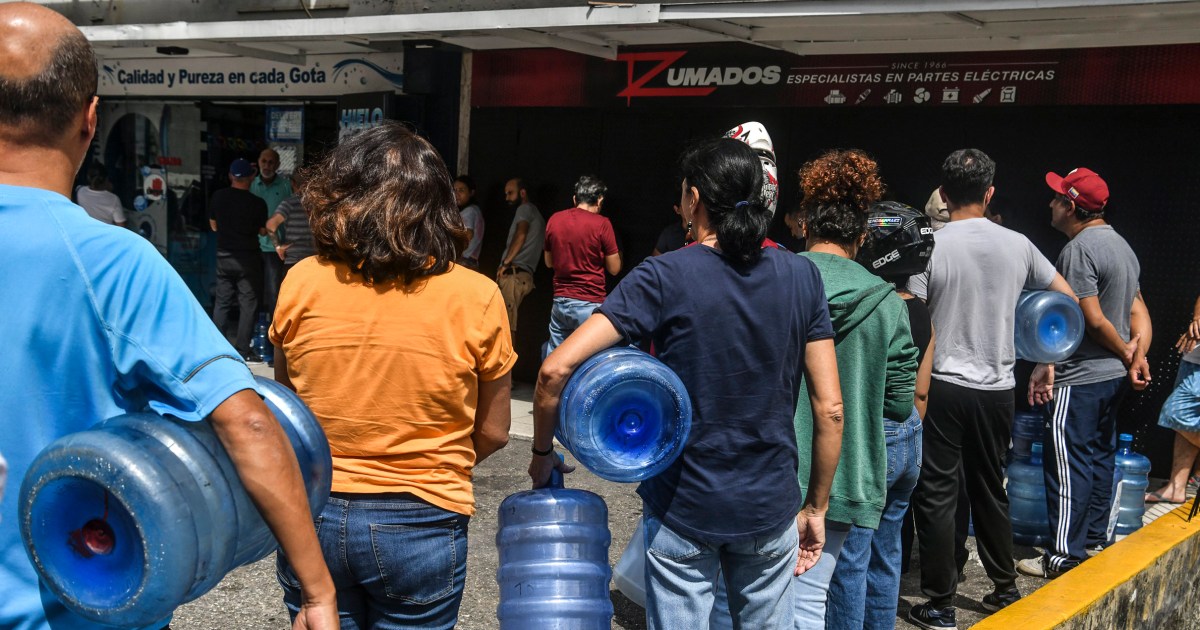
A tense calm on the streets of Caracas masks fears and uncertainty for Venezuelans
Read Original Source
This article is by F. Brinley Bruton reporting from Bogotá, Colombia, and a Caracas-based reporter who is not being identified because of safety concerns. Limited time: Save 25% on NBC News subscription Get exclusive reporting, live Q&As and ad-free reading. CARACAS, Venezuela — Days after Venezuela’s capital was rocked by explosions and the country’s leader was seized in a U.S. operation, the streets of this city were eerily quiet.
AI Summary
Main Idea: Caracas is in a tense calm after the U.S. strike and Nicolás Maduro’s capture, with many Venezuelans afraid, uncertain, and staying quiet.
Key Points:
- Streets in the capital are unusually quiet, with fewer people out, limited bus service, and shorter lines at open stores and pharmacies.
- Many residents say security forces and armed government supporters are more visible, and some fear being checked or detained.
- Delcy Rodríguez is now being presented as interim president, but the government still appears focused on control rather than major change.
- People who live in Caracas describe fear after the explosions and worry that another attack could happen, even as some hope the crisis could lead to change.
Impact on the People
Negative Impact
More turmoil in Venezuela could lift oil prices and add uncertainty for US households, businesses, and markets.
Positive Impact
A possible shift away from Maduro may ease repression and reduce pressure for future migration toward the United States.
How did each entity affect people?
Rate how each entity in this article affected the American people.
- Primary:President Nicolás Maduroperson
Candidate Entities7 candidates · 5 weighted vote min · 70% decision
- President Nicolás MaduropersonPrimaryEvaluated
Venezuela’s leader is a central figure in the story, with his capture and political fate driving the article.
Include 0 (0%)Ignore 0 (0%)5 to threshold - Delcy RodríguezpersonMajorAI selected
Maduro’s vice president and successor, and the article centers on her being sworn in as interim president and.
Include 0 (0%)Ignore 0 (0%)5 to threshold - General Directorate of Military Counterintelligencegovernment agency or bodyMajorAI selected
The agency is described as actively operating checkpoints and carrying out security pressure in Caracas.
Include 0 (0%)Ignore 0 (0%)5 to threshold - President Donald TrumppersonMajorAI selected
His support for Maduro’s successor and U.S. operation are part of the article’s main political context.
Include 0 (0%)Ignore 0 (0%)5 to threshold - United StatescountryMajorAI selected
The U.S. operation and attack are central to the article’s main events.
Include 0 (0%)Ignore 0 (0%)5 to threshold - Cilia FlorespersonContextCandidate
Mentioned as Maduro’s wife and part of the weekend seizure narrative, but not a central actor.
Include 0 (0%)Ignore 0 (0%)5 to threshold - National Assemblygovernment agency or bodyContextCandidate
Mentioned as the site near which journalists were detained and where the interim swearing-in occurred.
Include 0 (0%)Ignore 0 (0%)5 to threshold
Comments 0
Comments here are the same thread shown when this article appears in The Pulse.
No comments on this article yet.
Sign in to comment