Fighting rages on Thai-Cambodian border despite Trump's ceasefire claim
Read Original Source
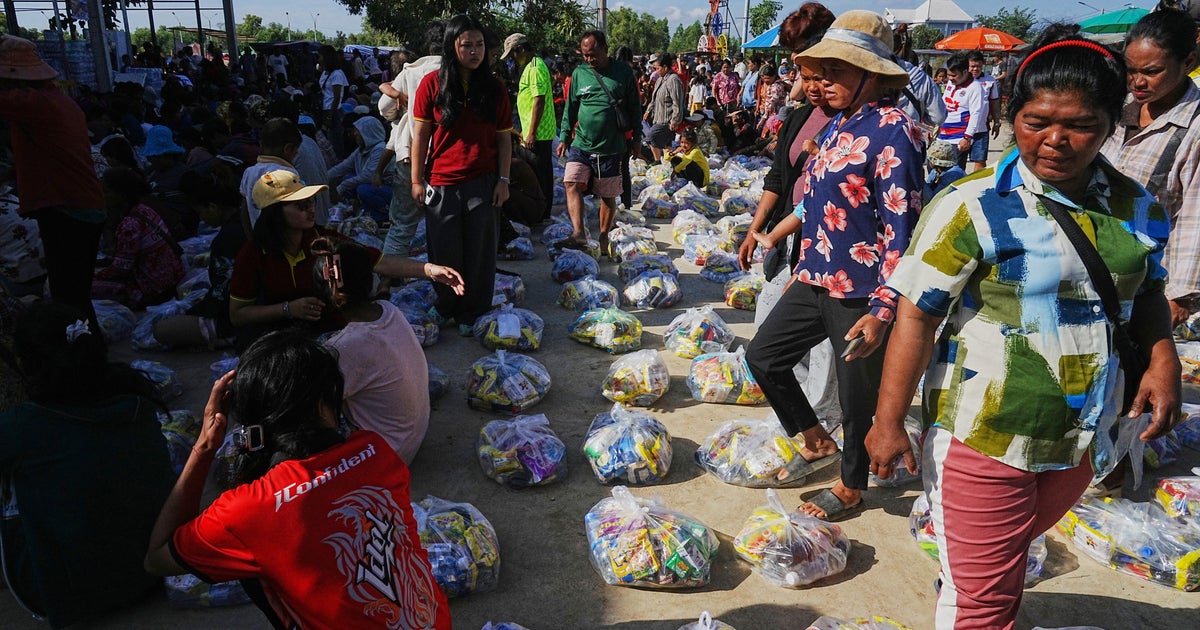
Fighting raged Saturday morning along the border of Thailand and Cambodia, even after U.S. President Trump, acting as a mediator, declared that he had won agreement from both countries for a ceasefire. Thai officials have said they did not agree to a ceasefire, and Cambodia has not commented on Mr. Trump's claim. Its defense ministry instead said Thai jets carried out airstrikes Saturday morning. Cambodian media reported Mr. Trump's claim without elaborating.
AI Summary
Main Idea: President Donald Trump said Thailand and Cambodia had agreed to a ceasefire, but fighting continued on the border and Thai officials rejected his claim.
Key Points:
- Thai officials said they did not agree to a ceasefire, and the Thai foreign minister said Trump’s remarks did not reflect the situation accurately.
- Cambodian officials did not confirm a ceasefire, while Cambodia said Thai jets carried out airstrikes and that it was ready to keep talking.
- The fighting restarted after a Dec. 7 clash and has left about two dozen people dead and many more displaced on both sides.
- Thailand said it hit military targets, while Cambodia’s rocket fire has caused damage, and Thailand reported new civilian injuries in Sisaket province.
Impact on the People
Negative Impact
Fighting in Thailand and Cambodia can raise prices for imported goods and add stress to global markets, which may affect US consumers and businesses.
Positive Impact
Trump’s push for a ceasefire could lower the risk of wider conflict if it succeeds, which would help stabilize trade and market conditions.
How did each entity affect people?
Rate how each entity in this article affected the American people.
- Primary:President Donald Trumpperson
Candidate Entities8 candidates · 5 weighted vote min · 70% decision
- President Donald TrumppersonPrimaryEvaluated
Central figure in the article, mediating the dispute and claiming he secured a ceasefire.
Include 0 (0%)Ignore 0 (0%)5 to threshold - Cambodian Prime Minister Hun ManetpersonPrimaryAI selected
Major actor whose calls with Trump and public comments are central to the ceasefire dispute.
Include 0 (0%)Ignore 0 (0%)5 to threshold - Thai Prime Minister Anutin CharnvirakulpersonPrimaryAI selected
Major actor responding to Trump’s claim and stating Thailand’s position on the fighting.
Include 0 (0%)Ignore 0 (0%)5 to threshold - Anwar IbrahimpersonMajorAI selected
Malaysia’s prime minister is directly credited as a mediator in the ceasefire efforts.
Include 0 (0%)Ignore 0 (0%)5 to threshold - Cambodian defense ministrygovernment agency or bodyMajorAI selected
Key government body responding to the fighting and alleging Thai airstrikes.
Include 0 (0%)Ignore 0 (0%)5 to threshold - Thai Foreign Minister Sihasak PhuangketkeowpersonMajorAI selected
Named official publicly criticizing Trump’s understanding of the situation and reacting to the ceasefire claim.
Include 0 (0%)Ignore 0 (0%)5 to threshold - Thai foreign ministrygovernment agency or bodyMajorAI selected
Explicitly disputed Trump’s ceasefire claim and is a key institutional voice in the story.
Include 0 (0%)Ignore 0 (0%)5 to threshold
Comments 0
Comments here are the same thread shown when this article appears in The Pulse.
No comments on this article yet.
Sign in to comment