Netanyahu orders Israeli army to carry out "powerful strikes" in Gaza
Read Original Source
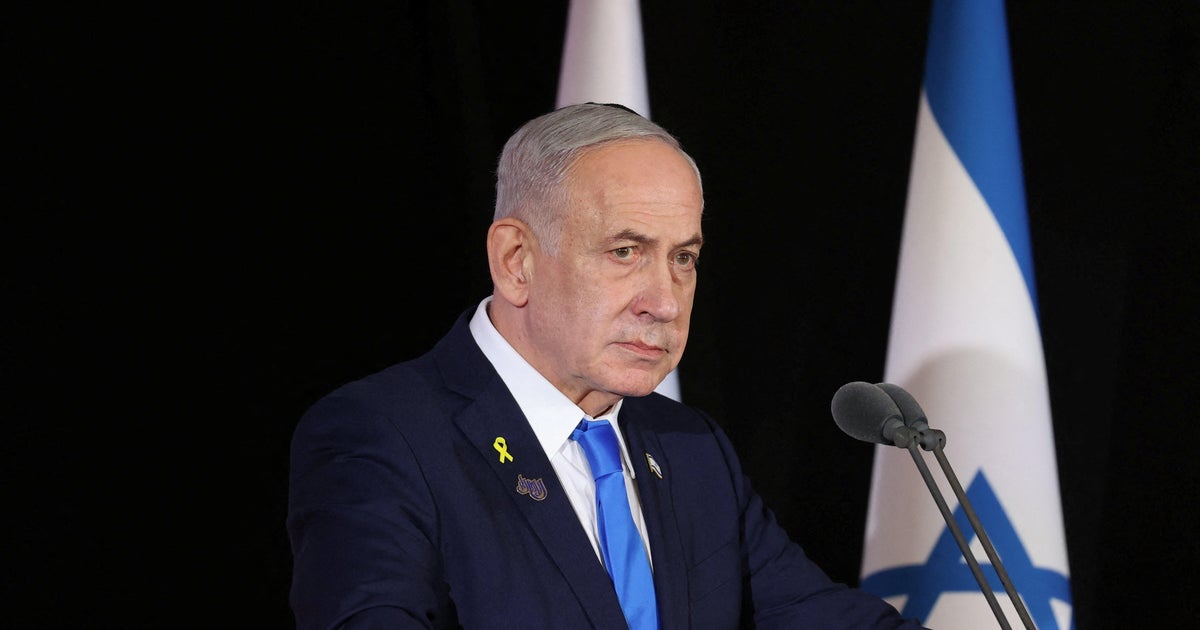
Israeli Prime Minister Benjamin Netanyahu said Tuesday he has ordered the army to immediately carry out "powerful strikes" in Gaza, and Hamas responded by saying it would delay handing over the body of a hostage, putting new pressure on the tenuous U.S.-brokered ceasefire. Associated Press reporters and witnesses heard tank fire and saw explosions in various parts of Gaza, including in Gaza City and Deir al-Balah.
AI Summary
Main Idea: Benjamin Netanyahu ordered the Israeli army to carry out powerful strikes in Gaza after Hamas delayed returning a hostage’s body, putting new strain on the fragile ceasefire.
Key Points:
- Israel said Hamas had violated the ceasefire, and Netanyahu said he would meet defense leaders to plan a response.
- Fighting and explosions were reported in parts of Gaza, and Israeli troops also exchanged fire with militants in southern Gaza.
- Hamas said it was delaying the handover of a body, while Israel accused it of staging a false recovery and holding back remains.
- The dispute is complicating the next phase of the ceasefire, which still has major issues to resolve, including Hamas disarmament and Gaza’s future rule.
Impact on the People
Negative Impact
Renewed fighting in Gaza could lift oil prices and add volatility for US markets, households, and small businesses.
Positive Impact
A stronger push on the ceasefire could reduce the chance of a wider Middle East conflict and ease pressure on consumers.
How did each entity affect people?
Rate how each entity in this article affected the American people.
- Primary:Benjamin Netanyahuperson
- Primary:Hamaspolitical organization
Candidate Entities8 candidates · 5 weighted vote min · 70% decision
- Benjamin NetanyahupersonPrimaryEvaluated
Israeli prime minister who ordered the army to carry out “powerful strikes” in Gaza; central decision-maker in the.
Include 0 (0%)Ignore 0 (0%)5 to threshold - Hamaspolitical organizationPrimaryEvaluated
Principal opposing actor in the ceasefire breakdown, hostage-body handover dispute, and military escalation.
Include 0 (0%)Ignore 0 (0%)5 to threshold - Israel Defense Forcesgovernment agency or bodyMajorAI selected
Military body carrying out and describing the response in Gaza and the West Bank.
Include 0 (0%)Ignore 0 (0%)5 to threshold - President Donald TrumppersonMajorAI selected
Commented directly on the clashes and ceasefire while speaking aboard Air Force One.
Include 0 (0%)Ignore 0 (0%)5 to threshold - EgyptcountryContextCandidate
Deployed experts and heavy equipment to help search for hostage bodies, making it a meaningful supporting actor.
Include 0 (0%)Ignore 0 (0%)5 to threshold - Gershon BaskinpersonMinorCandidate
Named hostage negotiator and peace campaigner quoted on the difficulty of locating bodies.
Include 0 (0%)Ignore 0 (0%)5 to threshold - Ofir TzarfatipersonMinorCandidate
Identified hostage whose remains were returned and whose family reacted publicly.
Include 0 (0%)Ignore 0 (0%)5 to threshold
Comments 0
Comments here are the same thread shown when this article appears in The Pulse.
No comments on this article yet.
Sign in to comment