‘Change the World’ idealism is dying in Silicon Valley. We’ll miss it when it’s gone
Read Original Source
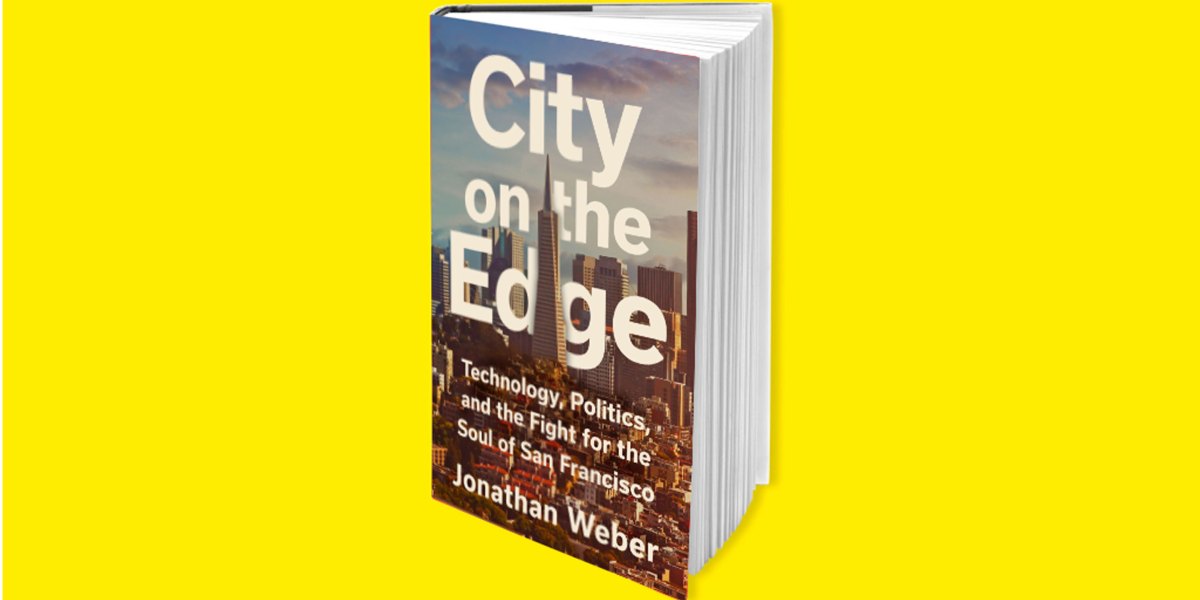
During the dot-com boom of the late 1990s, I edited a newsmagazine out of San Francisco called The Industry Standard that both lived and chronicled the birth of the Internet economy. Across the city, there was an exuberance in the air, infused with an idealistic belief that the emerging Internet would empower people in untold new ways and make the world a better place. We knew it was a bubble moment, and that the lofty ideals were weighted with contradictions that would eventually bring us back to earth.
AI Summary
Main Idea: Silicon Valley is moving away from its old idealism, and the article says Marc Andreessen and other pro-Trump tech leaders are replacing it with a harder, more nationalist version of tech optimism.
Key Points:
- The author says the internet era once mixed business ambition with a belief that technology could help everyone.
- Google’s early “don’t be evil” spirit and other startup values are held up as examples of that older mindset.
- The piece argues that today’s tech culture is more driven by money, AI, military tech, and political power than by public good.
- It says Andreessen and similar leaders now attack ideas like tech ethics and trust and safety, while many people no longer trust the industry.
Impact on the People
Negative Impact
If Marc Andreessen and other tech leaders push AI and military tech with less concern for ethics or safety, consumers and workers could face more bias, job loss, and weaker public trust.
Positive Impact
A more idealistic tech culture could still bring useful tools, new jobs, and innovation that helps small businesses and households.
How did each entity affect people?
Rate how each entity in this article affected the American people.
- Major:Googlecompany
Candidate Entities12 candidates · 5 weighted vote min · 70% decision
- GooglecompanyMajorEvaluated
Central company used to illustrate the “do not be evil” era and the shift in tech values.
Include 0 (0%)Ignore 0 (0%)5 to threshold - Marc AndreessenpersonMajorAI selected
Named venture capitalist whose “Techno-Optimist Manifesto” and politics are a central part of the article’s argument.
Include 0 (0%)Ignore 0 (0%)5 to threshold - AnthropiccompanyContextCandidate
Named AI company referenced in the discussion of political attacks on tech idealism.
Include 0 (0%)Ignore 0 (0%)5 to threshold - Burning Mancultural institutionContextCandidate
Named cultural institution/event-like brand used as a symbol of Silicon Valley’s idealistic ethos.
Include 0 (0%)Ignore 0 (0%)5 to threshold - Electronic Frontier Foundationnonprofit / NGOContextCandidate
Named nonprofit highlighted as a representative institution of the earlier liberal-libertarian internet ethos.
Include 0 (0%)Ignore 0 (0%)5 to threshold - Elon MuskpersonContextCandidate
Named tech billionaire used as an example of the split between earlier Burning Man-style idealism and newer anti-idealism.
Include 0 (0%)Ignore 0 (0%)5 to threshold - TwittercompanyContextCandidate
Major company/product mentioned as an outcome of the internet-era startup culture being discussed.
Include 0 (0%)Ignore 0 (0%)5 to threshold
Comments 0
Comments here are the same thread shown when this article appears in The Pulse.
No comments on this article yet.
Sign in to comment