How Kentucky bourbon went from boom to bust
Read Original Source
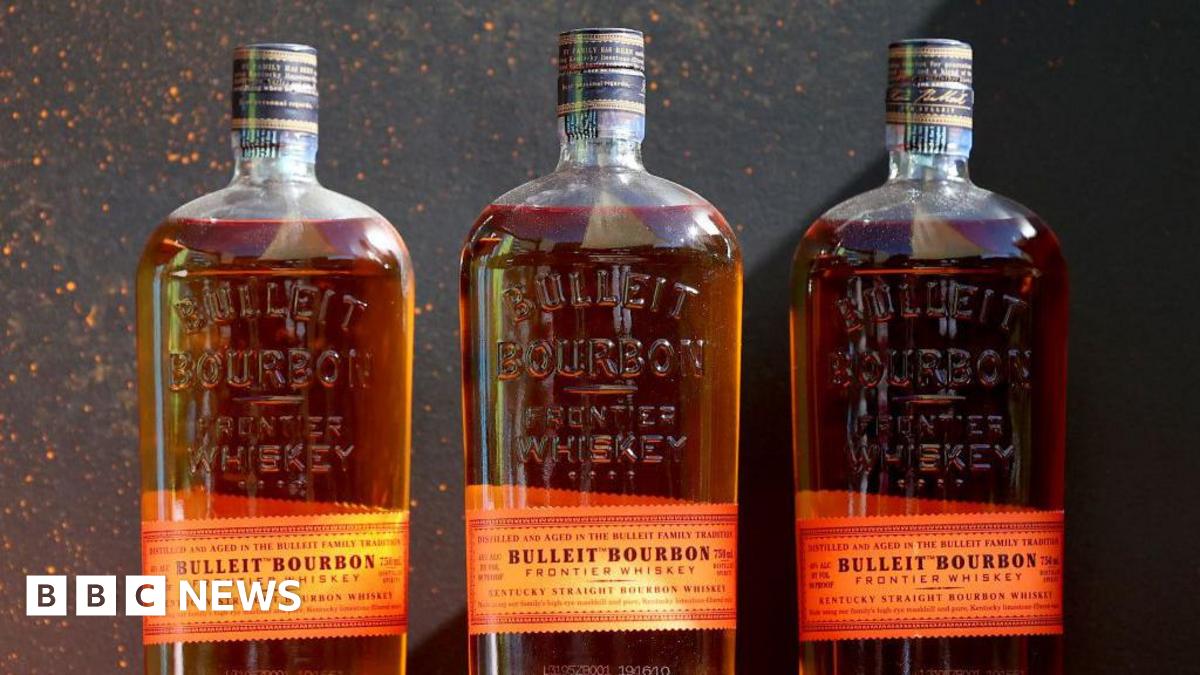
Bulleit Bourbon reported a more than 7% sales drop this fiscal year As American as apple pie, Kentucky bourbon was booming after the last Great Recession ended. But as the economy has waned post-Pandemic - and with multiple trade wars on the horizon - the market may be drying up.
AI Summary
Main Idea: Kentucky bourbon boomed after the 2008 recession, but weaker demand, oversupply, and trade tariffs are now hurting makers like Brown-Forman and Diageo.
Key Points:
- Bourbon grew fast in the 2010s as younger drinkers, cocktails, and collector demand boosted sales.
- The market has slowed since the pandemic as inflation and changing habits have pushed some people to drink less or buy cheaper drinks.
- Tariffs and retaliatory trade moves, especially in Canada and Europe, are cutting into US bourbon sales and raising costs.
- Big brands have seen sales drops, and smaller distilleries are already facing bankruptcies, receivership, and plant closures.
Impact on the People
Negative Impact
Kentucky bourbon sales are falling, which can mean fewer jobs, lower pay, and more strain on small distilleries and local towns in Kentucky.
Positive Impact
Lower demand may push some buyers toward cheaper drinks or local spirits, easing costs for some households and helping Canadian and other non-US producers.
How did each entity affect people?
Rate how each entity in this article affected the American people.
- Major:Brown-Formancompany
- Major:Diageocompany
Candidate Entities9 candidates · 5 weighted vote min · 70% decision
- Brown-FormancompanyMajorEvaluated
Major bourbon producer affected by the sales decline and tariffs; its CEO is quoted on the impact in.
Include 0 (0%)Ignore 0 (0%)5 to threshold - DiageocompanyMajorEvaluated
Liquor giant reported declining sales for Bulleit, making it a central business casualty in the article.
Include 0 (0%)Ignore 0 (0%)5 to threshold - Bulleit Bourbonbrand / productMajorAI selected
One of the article’s key bourbon brands, with reported sales decline used as evidence of the market downturn.
Include 0 (0%)Ignore 0 (0%)5 to threshold - President Donald TrumppersonMajorAI selected
His tariffs are presented as a major factor worsening the bourbon downturn.
Include 0 (0%)Ignore 0 (0%)5 to threshold - CamparicompanyContextCandidate
Parent company of Wild Turkey, cited as another major brand owner facing weaker sales.
Include 0 (0%)Ignore 0 (0%)5 to threshold - European Unioninternational organizationContextCandidate
Its retaliatory tariff plans are part of the trade conflict hurting bourbon exports.
Include 0 (0%)Ignore 0 (0%)5 to threshold - Jack Danielsbrand / productContextCandidate
Named whiskey brand tied to a Kentucky barrel-making plant closure by its parent company.
Include 0 (0%)Ignore 0 (0%)5 to threshold
Comments 0
Comments here are the same thread shown when this article appears in The Pulse.
No comments on this article yet.
Sign in to comment