Fans criticize Beyoncé for shirt calling Native Americans 'the enemies of peace'
Read Original Source
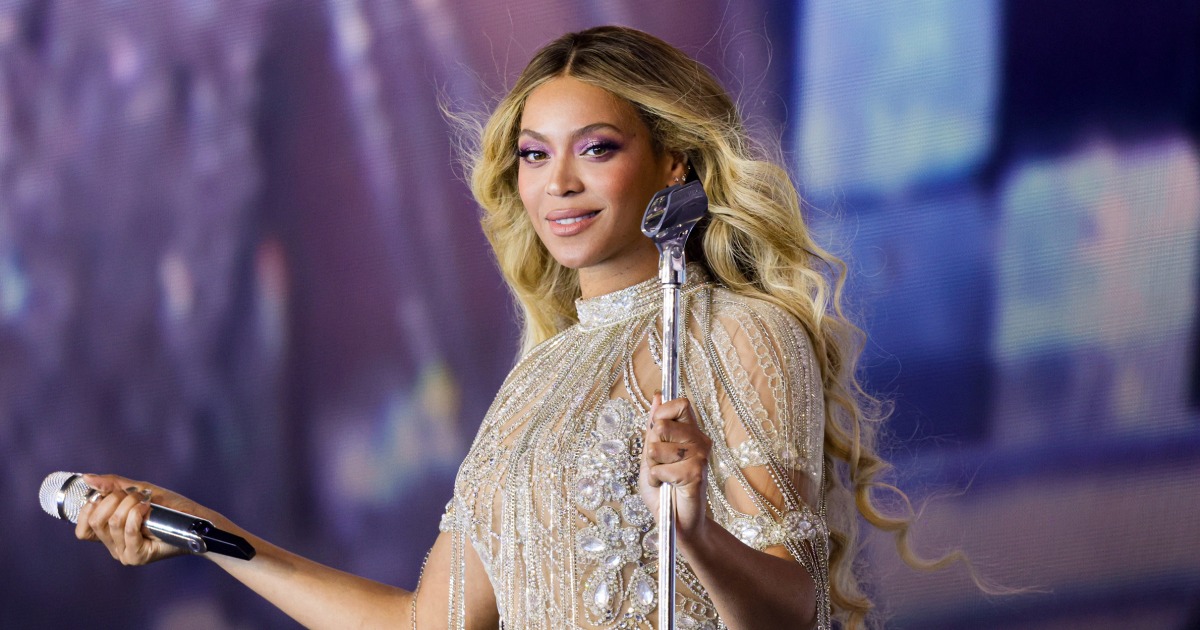
A T-shirt worn by Beyoncé during a Juneteenth performance on her “Cowboy Carter” tour has sparked a discussion over how Americans frame their history and caused a wave of criticism for the Houston-born superstar. Limited time: Save 25% on NBC News subscription Get exclusive reporting, live Q&As and ad-free reading. The T-shirt worn during a concert in Paris featured images of the Buffalo Soldiers, who belonged to Black U.S. Army units active during the late 1800s and early 1900s.
AI Summary
Main Idea: Beyoncé is facing criticism after wearing a shirt on her “Cowboy Carter” tour that described Native Americans and Mexican revolutionaries as “the enemies of peace.”
Key Points:
- The shirt showed Buffalo Soldiers imagery and a quote that framed Indigenous people in violent terms.
- Native influencers and fans said the shirt repeated harmful anti-Indigenous language.
- The Buffalo Soldiers National Museum said the history is more complex and should be taught with more nuance.
- Historians noted that the Buffalo Soldiers were part of U.S. westward expansion, which included violence against Indigenous peoples.
Impact on the People
Negative Impact
The shirt controversy could deepen public conflict over US history and offend Native communities, adding pressure on schools, museums, and brands to answer for how they frame the West.
Positive Impact
Beyoncé and the Buffalo Soldiers museum may push more people to learn about Black and Indigenous history and to demand more honest public education.
How did each entity affect people?
Rate how each entity in this article affected the American people.
- Primary:Beyoncéperson
- Major:Buffalo Soldiers National Museumcultural institution
Candidate Entities9 candidates · 5 weighted vote min · 70% decision
- BeyoncépersonPrimaryEvaluated
Central public figure whose shirt choice and performance sparked the criticism and discussion.
Include 0 (0%)Ignore 0 (0%)5 to threshold - Buffalo Soldiers National Museumcultural institutionMajorEvaluated
Museum whose staff provide historical framing and context for the Buffalo Soldiers and the article’s debate.
Include 0 (0%)Ignore 0 (0%)5 to threshold - Johns Hopkins Universityeducational / research institutionContextCandidate
Tad Stoermer’s institutional affiliation in a quoted historical interpretation.
Include 0 (0%)Ignore 0 (0%)5 to threshold - University of Pittsburgheducational / research institutionContextCandidate
Alaina E. Roberts’s institutional affiliation in a quoted historical interpretation.
Include 0 (0%)Ignore 0 (0%)5 to threshold - Billboardmedia outletMinorCandidate
Cited for the chart and Grammy-related context about Beyoncé’s success.
Include 0 (0%)Ignore 0 (0%)5 to threshold - Indigenous influencersnonprofit / NGOMinorCandidate
Generic group referenced as critics on social media, but not a specific accountable organization.
Include 0 (0%)Ignore 0 (0%)5 to threshold - Native influencersnonprofit / NGOMinorCandidate
Generic group of critics referenced in the article, but not a specific accountable organization.
Include 0 (0%)Ignore 0 (0%)5 to threshold
Comments 0
Comments here are the same thread shown when this article appears in The Pulse.
No comments on this article yet.
Sign in to comment