By maintaining Obamacare pillar, Supreme Court hands win to HIV advocates
Read Original Source
The Supreme Court on Friday granted the HIV-prevention field a historic win — yet with a major caveat — as it upheld a federally appointed health task force’s authority to mandate no-cost insurance coverage of certain preventive interventions, but clarifying that the health and human services secretary holds dominion over the panel. Limited time: Save 25% on NBC News subscription Get exclusive reporting, live Q&As and ad-free reading. The 6-3 decision in Kennedy v. Braidwood Management, Inc.
AI Summary
Main Idea: The Supreme Court kept a key Obamacare rule in place that requires no-cost coverage of some preventive care, including HIV prevention drugs, but it also gave the health secretary more control over the task force behind that rule.
Key Points:
- The 6-3 ruling preserves a major Affordable Care Act benefit that helps patients get preventive services without copays or other out-of-pocket costs.
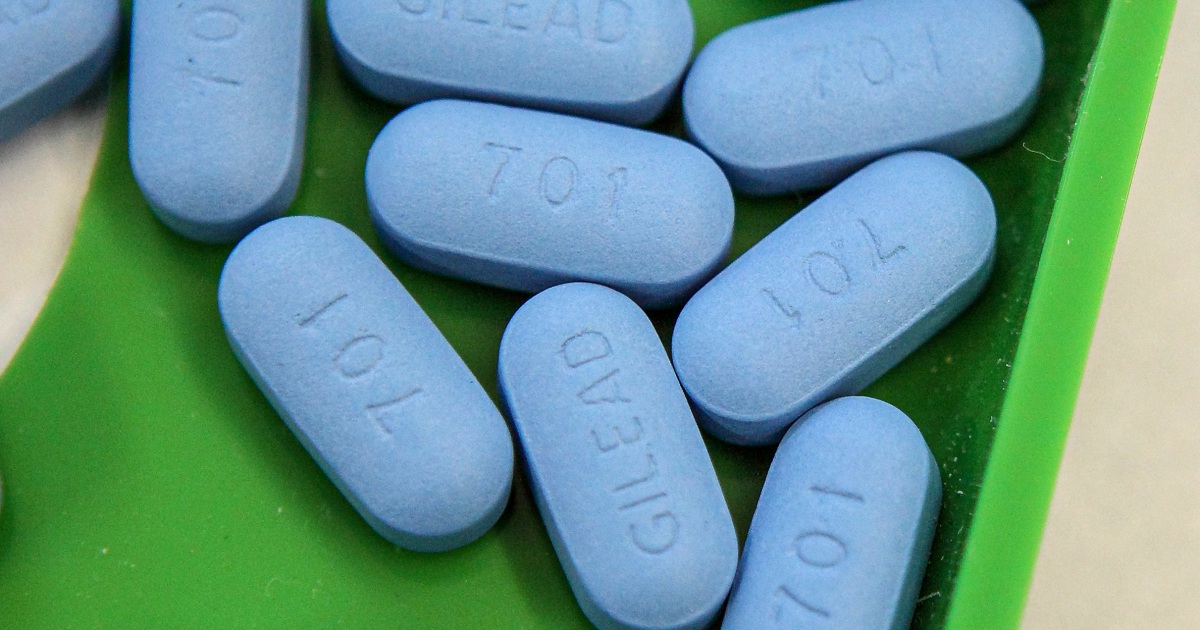
- HIV advocates called the decision a win because it protects coverage for PrEP, which helps prevent HIV.
- The court said the health and human services secretary can appoint and remove task force members and can block new coverage recommendations.
- Advocates worry Robert F. Kennedy Jr. could weaken future coverage for PrEP, even as the FDA has approved a new long-acting HIV prevention shot.
Impact on the People
Negative Impact
If HHS weakens the task force, insurers could add costs or limits for PrEP and other screenings, making care more expensive for patients and possibly raising HIV risk.
Positive Impact
The ruling keeps no-cost coverage in place for many preventive services, helping millions of people keep access to screenings and HIV prevention drugs.
How did each entity affect people?
Rate how each entity in this article affected the American people.
- Primary:Robert F. Kennedy Jr.person
- Primary:Supreme Courtgovernment agency or body
Candidate Entities11 candidates · 5 weighted vote min · 70% decision
- Robert F. Kennedy Jr.personPrimaryEvaluated
Named health secretary whose authority over the task force is a key focus of the story.
Include 0 (0%)Ignore 0 (0%)5 to threshold - Supreme Courtgovernment agency or bodyPrimaryEvaluated
Central decision-maker that issued the ruling at the center of the article.
Include 0 (0%)Ignore 0 (0%)5 to threshold - Centers for Disease Control and Preventiongovernment agency or bodyMajorAI selected
Federal agency whose HIV-prevention division and committee changes are central to the article’s policy implications.
Include 0 (0%)Ignore 0 (0%)5 to threshold - Food and Drug Administrationgovernment agency or bodyMajorAI selected
Federal agency whose approval of the long-acting PrEP drug is a significant part of the article.
Include 0 (0%)Ignore 0 (0%)5 to threshold - Gilead SciencescompanyMajorAI selected
Manufacturer of PrEP medications highlighted as benefiting from the coverage ruling and the FDA approval.
Include 0 (0%)Ignore 0 (0%)5 to threshold - HIV + Hepatitis Policy Institutenonprofit / NGOMajorAI selected
Advocacy group quoted reacting to the ruling and representing the affected policy community.
Include 0 (0%)Ignore 0 (0%)5 to threshold - Justice Brett KavanaughpersonMajorAI selected
Author of the majority opinion, making him a central judicial actor.
Include 0 (0%)Ignore 0 (0%)5 to threshold
Comments 0
Comments here are the same thread shown when this article appears in The Pulse.
No comments on this article yet.
Sign in to comment