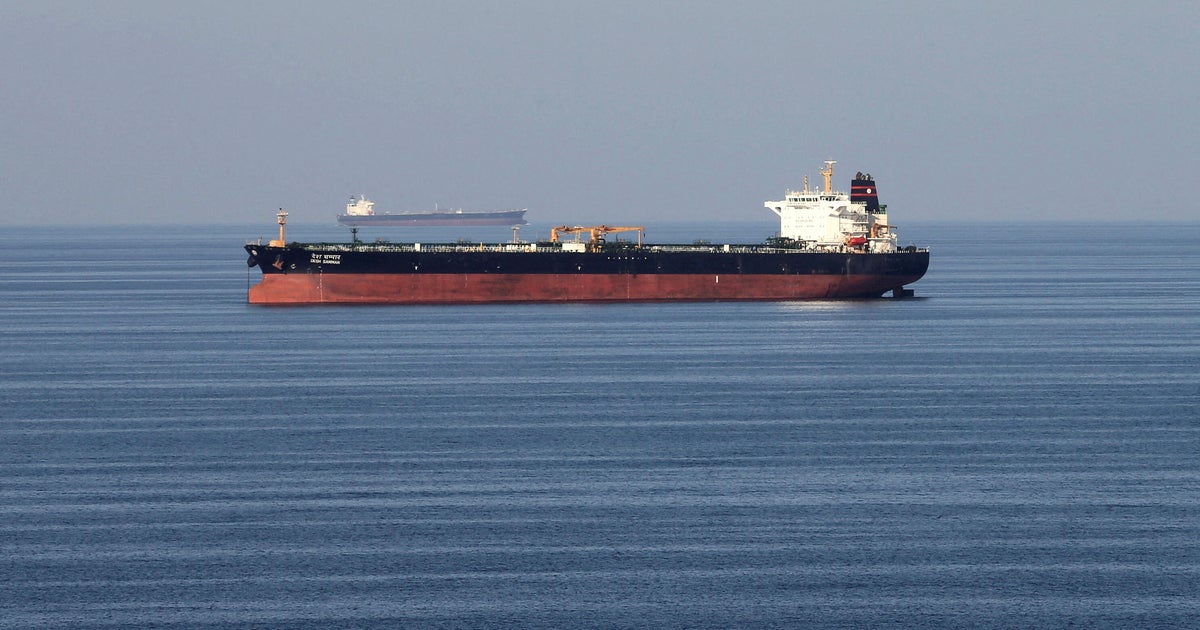
What to know about Iran's control over Strait of Hormuz, a vital oil trade route
Read Original Source
The United States launched military strikes on three Iranian nuclear facilities Sunday morning local time, an action President Trump said aimed to neutralize a threat "posed by the world's number one state sponsor of terror." It was widely seen as a turning point in America's involvement in the ongoing Middle East conflicts as the first direct intervention by U.S. forces in the war between Israel and Iran. The strikes have ignited concerns about possible Iranian retaliation and what form such responses could take.
AI Summary
Main Idea: Iran’s control over the Strait of Hormuz is under close watch after U.S. strikes on Iranian nuclear sites raised fears that Tehran could threaten a vital oil route.
Key Points:
- The Strait of Hormuz links the Persian Gulf to the Gulf of Oman and handles a huge share of the world’s oil and gas trade.
- Iran controls the north side of the strait, and long-running threats to close it have made it a major global energy chokepoint.
- A disruption could hit major oil buyers such as China, India, Japan, and South Korea, and could push up energy prices worldwide.
- President Donald Trump’s move to strike Iranian nuclear facilities has increased concern about Iranian retaliation, including possible efforts to block shipping.
Impact on the People
Negative Impact
If Iran blocks the Strait of Hormuz, US households and small businesses could face higher gas, shipping, and food prices.
Positive Impact
No clear positive impact identified.
How did each entity affect people?
Rate how each entity in this article affected the American people.
- Primary:President Trumpperson
- Major:President Donald Trumpperson
Candidate Entities5 candidates · 5 weighted vote min · 70% decision
- President TrumppersonPrimaryEvaluated
Named leader who ordered the strikes and whose stated rationale drives the story.
Include 0 (0%)Ignore 0 (0%)5 to threshold - President Donald TrumppersonMajorEvaluatedInclude 0 (0%)Ignore 0 (0%)5 to threshold
- Marco RubiopersonMajorAI selected
Named official whose warning about blocking the strait is a major quoted position in the story.
Include 0 (0%)Ignore 0 (0%)5 to threshold - Department of Energygovernment agency or bodyContextCandidate
Parent department of the Energy Information Administration, cited in the article’s data context.
Include 0 (0%)Ignore 0 (0%)5 to threshold - United Arab EmiratescountryContextCandidate
Controls part of the southern side of the strait and is mentioned as a bordering actor.
Include 0 (0%)Ignore 0 (0%)5 to threshold
Comments 0
Comments here are the same thread shown when this article appears in The Pulse.
No comments on this article yet.
Sign in to comment