Firefighter forced to retire early due to Parkinson's cannot sue Florida city for health benefits discrimination, U.S. Supreme Court rules
Read Original Source
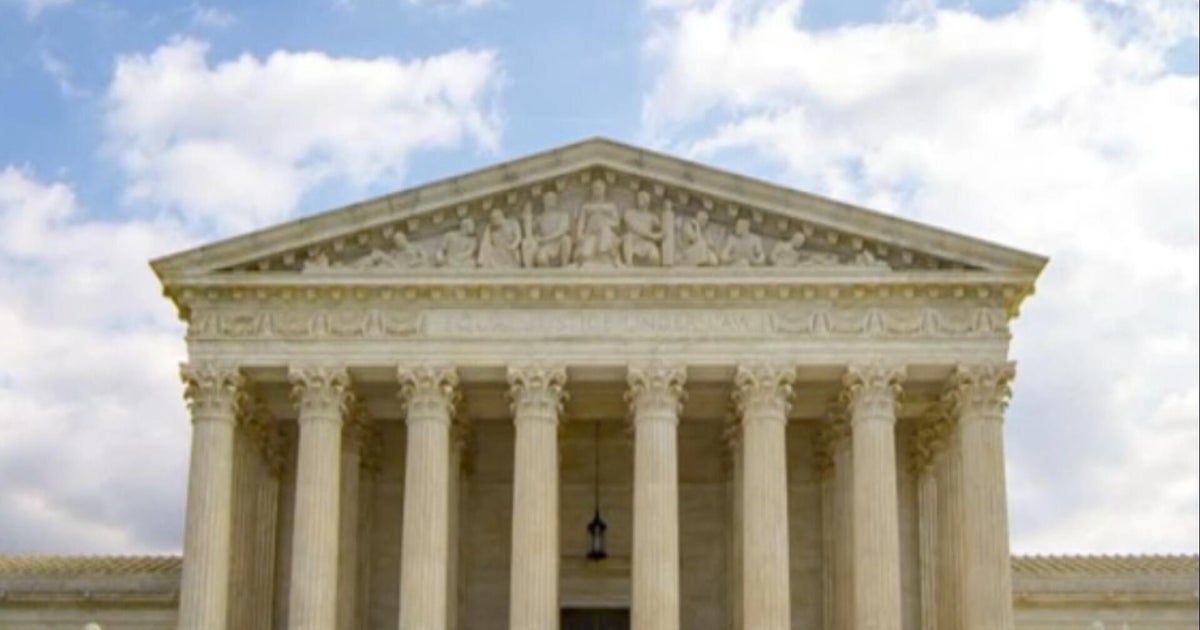
The U.S. Supreme Court on Friday ruled against a firefighter who retired early because of Parkinson's disease and alleged the city of Sanford violated the Americans with Disabilities Act by limiting a health-insurance subsidy. Justices upheld a decision by the 11th U.S. Circuit Court of Appeals in the lawsuit filed by Karyn Stanley, a fire-department lieutenant who retired in 2018 at age 47 because of the effects of the disease.
AI Summary
Main Idea: The Supreme Court ruled that former firefighter Karyn Stanley cannot use the Americans with Disabilities Act to challenge the City of Sanford over a cut in her health insurance subsidy after she retired early بسبب Parkinson's disease.
Key Points:
- The court said Title I of the ADA protects current workers or job seekers, not former employees.
- Stanley retired at age 47 after Parkinson's disease forced her to leave her firefighting job.
- Sanford had once provided retired firefighters a health subsidy until age 65, but later limited that benefit to two years for workers who retired early because of disability.
- The ruling leaves in place lower court decisions against Stanley, even though the Biden administration and several labor and retiree groups backed her case.
Impact on the People
Negative Impact
The ruling may weaken disability protections for retired workers, making it harder for employees to keep health benefits after leaving a job because of illness.
Positive Impact
The decision gives cities and employers clearer limits on legal exposure for post-retirement benefit rules.
How did each entity affect people?
Rate how each entity in this article affected the American people.
- Primary:Karyn Stanleyperson
Candidate Entities11 candidates · 5 weighted vote min · 70% decision
- Karyn StanleypersonPrimaryEvaluated
Firefighter and plaintiff whose retirement and disability-based benefits claim are the focus of the article.
Include 0 (0%)Ignore 0 (0%)5 to threshold - Supreme Court of the United Statesgovernment agency or bodyPrimaryAI selected
The court issuing the ruling that resolved the case.
Include 0 (0%)Ignore 0 (0%)5 to threshold - Eleventh United States Circuit Court of Appealsgovernment agency or bodyMajorAI selected
Lower appellate court whose decision was upheld by the Supreme Court.
Include 0 (0%)Ignore 0 (0%)5 to threshold - Justice Ketanji Brown JacksonpersonMajorAI selected
Wrote the dissent and is a major participant in the decision.
Include 0 (0%)Ignore 0 (0%)5 to threshold - Justice Neil GorsuchpersonMajorAI selected
Wrote the main opinion for the Court and is central to the ruling.
Include 0 (0%)Ignore 0 (0%)5 to threshold - American Association of Retired Personsnonprofit / NGOContextCandidate
Advocacy organization that filed a brief supporting Stanley.
Include 0 (0%)Ignore 0 (0%)5 to threshold - Biden administrationgovernment agency or bodyContextCandidate
Filed a brief backing Stanley and is part of the case’s political/legal context.
Include 0 (0%)Ignore 0 (0%)5 to threshold
Comments 0
Comments here are the same thread shown when this article appears in The Pulse.
No comments on this article yet.
Sign in to comment