A Japanese village that helped develop California's fishing industry could become container storage
Read Original Source
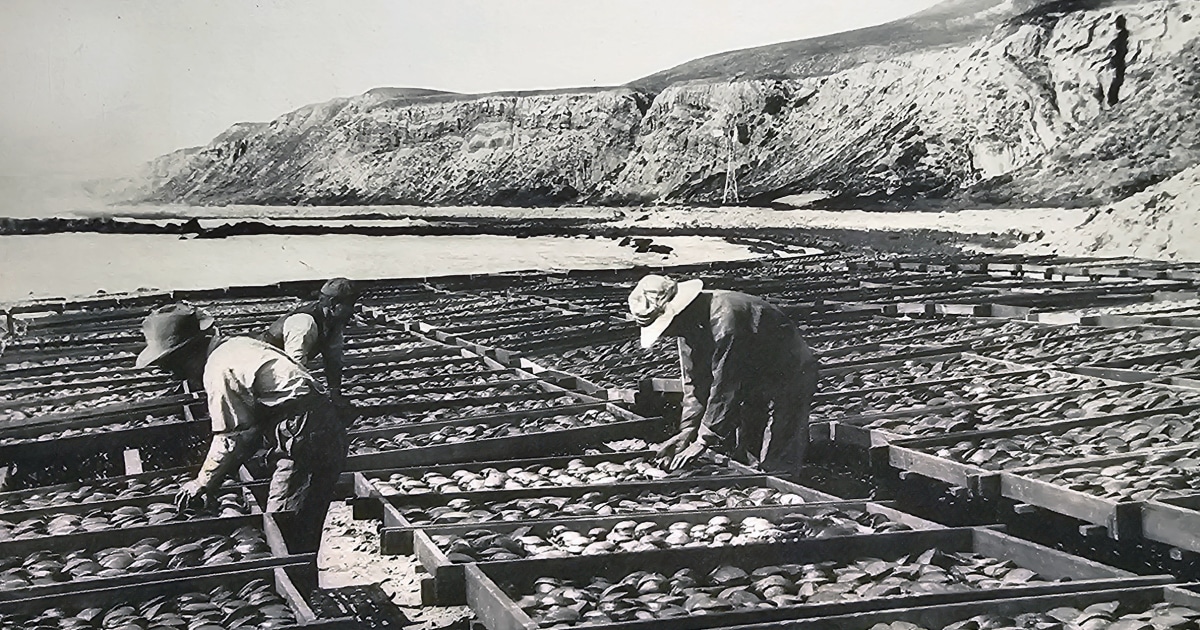
From the turn of the 20th century to the early 1940s, a human-made island in San Pedro Bay held a flourishing Japanese American fishing village that helped develop Southern California’s mighty seafood industry. Limited time: Save 25% on NBC News subscription Get exclusive reporting, live Q&As and ad-free reading.
AI Summary
Main Idea: A Japanese American fishing village on Terminal Island that helped build Southern California’s seafood industry is at risk of being replaced by container storage, and local advocates are fighting to save its last buildings.
Key Points:
- The Terminal Islanders Association is pushing to preserve two vacant Tuna Street buildings that are the last physical links to the old fishing village.
- The Port of Los Angeles has suggested demolishing the buildings to make room for more container storage, though no final decision has been made.
- Tim McOsker introduced a motion to give the buildings historic-cultural monument status, which could protect them from demolition.
- Survivors and descendants say the village was a major part of Japanese American life before World War II, when residents were removed and the community was destroyed.
Groups & Affiliates:
- Terminal Islanders Association: National Trust for Historic Preservation; Los Angeles Conservancy
Impact on the People
Negative Impact
Demolishing Terminal Island’s last historic buildings could erase a key part of Japanese American history and weaken local heritage tourism.
Positive Impact
Saving the buildings could protect an important public memory site and support education, tourism, and community pride.
How did each entity affect people?
Rate how each entity in this article affected the American people.
- Primary:Port of Los Angelesgovernment agency or body
- Primary:Terminal Islanders Associationnonprofit / NGO(National Trust for Historic Preservation; Los Angeles Conservancy)
Candidate Entities11 candidates · 5 weighted vote min · 70% decision
- Port of Los Angelesgovernment agency or bodyPrimaryEvaluated
Major public agency whose recommendation to demolish the buildings triggered the preservation fight.
Include 0 (0%)Ignore 0 (0%)5 to threshold - Terminal Islanders Association (National Trust for Historic Preservation; Los Angeles Conservancy)nonprofit / NGOPrimaryAI selected
Central advocacy group organizing descendants and survivors to preserve the Tuna Street buildings.
Include 0 (0%)Ignore 0 (0%)5 to threshold - Los Angeles Conservancynonprofit / NGOMajorAI selected
Preservation group partnering on memorial and restoration efforts for the site.
Include 0 (0%)Ignore 0 (0%)5 to threshold - Los Angeles Cultural Heritage Commissiongovernment agency or bodyMajorAI selected
Central city commission set to review the preservation motion.
Include 0 (0%)Ignore 0 (0%)5 to threshold - National Trust for Historic Preservationnonprofit / NGOMajorAI selected
Major preservation organization that listed the site among America’s most endangered historic places.
Include 0 (0%)Ignore 0 (0%)5 to threshold - Tim McOskerpersonMajorAI selected
Named councilmember who introduced the motion to designate the buildings as historic-cultural monuments.
Include 0 (0%)Ignore 0 (0%)5 to threshold
Comments 0
Comments here are the same thread shown when this article appears in The Pulse.
No comments on this article yet.
Sign in to comment