In 9 minutes and 29 seconds, George Floyd was killed, forever changing this neighborhood
Read Original Source
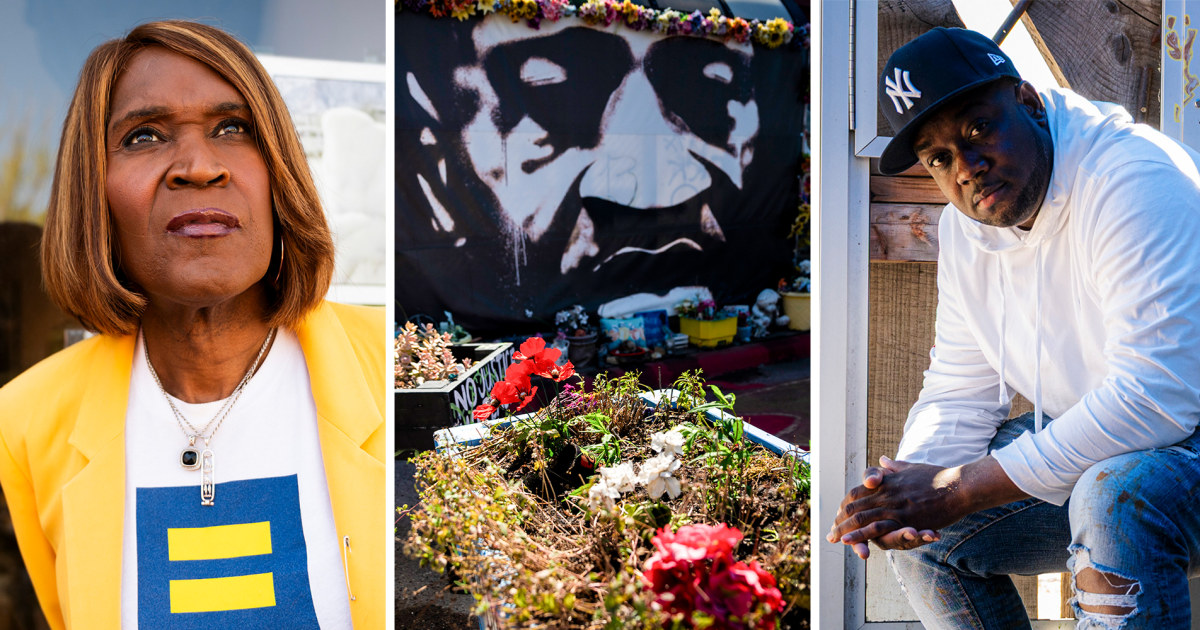
MINNEAPOLIS — Nine minutes and 29 seconds was enough time for 46 cars to pass 38th Street and Chicago Avenue. Limited time: Save 25% on NBC News subscription Get exclusive reporting, live Q&As and ad-free reading. In the same 9 minutes and 29 seconds, 18 customers went in and out of the convenience store on the corner. Six patrons bought beverages or snacks from the coffee shop across the street. Four people signed up for a guided tour of the neighborhood in front of the gas station.
AI Summary
Main Idea: Five years after George Floyd was killed by Derek Chauvin in Minneapolis, the neighborhood around the site is still marked by grief, change, and debate over what should come next.
Key Points:
- The article describes the 9 minutes and 29 seconds of Floyd’s killing and how that moment transformed the intersection into a place of protest, memory, and tourism.
- Many people in Minneapolis say the city is still living with trauma, distrust of police, and the effects of the unrest that followed Floyd’s death.
- The city has made some changes, including violence interrupters, a neighborhood safety network, and more Black police recruits, but people disagree on how much progress has really been made.
- Local business and community leaders are trying to rebuild the area with new shops, a healing center, and plans for a formal memorial, while preserving the meaning of the site.
Impact on the People
Negative Impact
George Floyd’s killing deepened mistrust of police, raised trauma for many residents, and showed how one high-profile death can strain public safety and civic life.
Positive Impact
Minneapolis saw new neighborhood projects, more community organizing, and some renewed police hiring and local business activity.
How did each entity affect people?
Rate how each entity in this article affected the American people.
- Primary:Derek Chauvinperson
- Primary:George Floydperson
Candidate Entities8 candidates · 5 weighted vote min · 70% decision
- Derek ChauvinpersonPrimaryEvaluated
Minneapolis police officer whose actions in the killing are a central focus.
Include 0 (0%)Ignore 0 (0%)5 to threshold - George FloydpersonPrimaryEvaluated
Central figure whose killing is the article’s main subject and organizing event.
Include 0 (0%)Ignore 0 (0%)5 to threshold - Andrea JenkinspersonMajorAI selected
Named council member quoted on how the neighborhood has changed since Floyd’s death.
Include 0 (0%)Ignore 0 (0%)5 to threshold - Donald TrumppersonMajorAI selected
His return to the White House is cited as a turning point in the rollback of racial-equity and.
Include 0 (0%)Ignore 0 (0%)5 to threshold - Minneapolis Police Departmentgovernment agency or bodyMajorAI selected
Central local law-enforcement body tied to the killing and the subsequent strain in police-community relations.
Include 0 (0%)Ignore 0 (0%)5 to threshold - Samar MoseleypersonMajorAI selected
Local bus driver and quoted resident whose experience and reflections are used to assess the neighborhood’s aftermath.
Include 0 (0%)Ignore 0 (0%)5 to threshold - United States Department of Justice Civil Rights Divisiongovernment agency or bodyMajorAI selected
Mentioned as the federal body that launched lawsuits and oversight actions in response to Floyd-related reform demands.
Include 0 (0%)Ignore 0 (0%)5 to threshold
Comments 0
Comments here are the same thread shown when this article appears in The Pulse.
No comments on this article yet.
Sign in to comment