Murdered man "speaks" at killer's sentencing hearing with AI video
Read Original Source
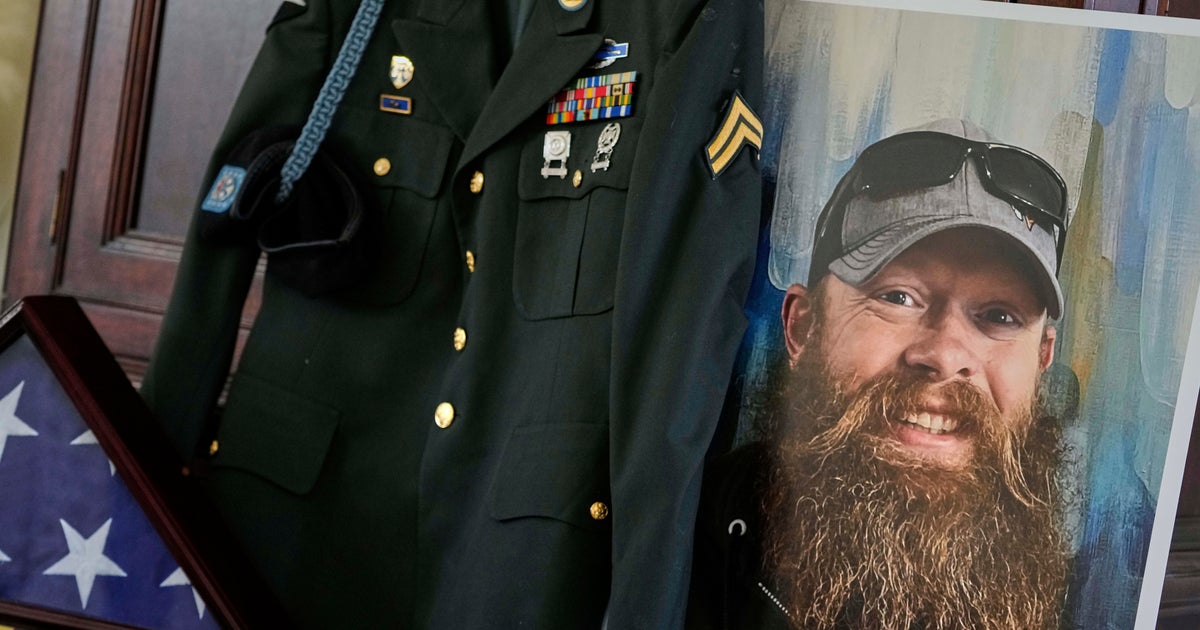
A man who was killed in a road rage incident in Arizona "spoke" during his killer's sentencing hearing after his family used artificial intelligence to create a video of him reading a victim impact statement. In what's believed to be a first in U.S. courts, the family of Chris Pelkey used AI to give him a voice. Pelkey was shot by Gabriel Paul Horcasitas on Nov. 13, 2021, as both drivers were stopped at a red light.
AI Summary
Main Idea: Chris Pelkey’s family used AI to create a video of him giving a victim impact statement at the sentencing of the man who killed him in an Arizona road rage case.
Key Points:
- The AI video let Pelkey “speak” in court and tell his killer that he believed in forgiveness.
- Pelkey was shot and killed in 2021 after a road rage encounter at a red light in Arizona.
- The judge said he liked the AI video, but the defense said it may appeal, arguing the video could have affected the sentence.
- Legal experts say the case could shape how courts handle AI-made statements and other deepfake material in the future.
Impact on the People
Negative Impact
AI videos in court could mislead judges and juries, making trials less reliable and raising fears of deepfake abuse for ordinary people.
Positive Impact
Families may use AI to share victim voices and messages in a more personal way, which could help some people feel heard in court.
How did each entity affect people?
Rate how each entity in this article affected the American people.
- Primary:Chris Pelkeyperson
Candidate Entities10 candidates · 5 weighted vote min · 70% decision
- Chris PelkeypersonPrimaryEvaluated
Murder victim whose AI-generated victim impact statement is the centerpiece of the article.
Include 0 (0%)Ignore 0 (0%)5 to threshold - Gabriel Paul HorcasitaspersonMajorAI selected
Convicted shooter and sentencing target whose case and appeal are central to the story.
Include 0 (0%)Ignore 0 (0%)5 to threshold - Judge Todd LangpersonMajorAI selected
Maricopa County Superior Court judge who presided over the sentencing hearing and reacted to the AI video.
Include 0 (0%)Ignore 0 (0%)5 to threshold - Stacey WalespersonMajorAI selected
Pelkey’s sister who created and presented the AI statement and is quoted explaining the family’s decision.
Include 0 (0%)Ignore 0 (0%)5 to threshold - Arizona State Universityeducational / research institutionContextCandidate
Institution associated with Gary Marchant, who is cited as a legal scholar on AI in courts.
Include 0 (0%)Ignore 0 (0%)5 to threshold - Arizona Supreme Courtgovernment agency or bodyContextCandidate
State court system body discussed in connection with AI use and best-practices review.
Include 0 (0%)Ignore 0 (0%)5 to threshold - Gary MarchantpersonContextCandidate
Arizona State University law professor and committee member quoted warning about deepfake evidence.
Include 0 (0%)Ignore 0 (0%)5 to threshold
Comments 0
Comments here are the same thread shown when this article appears in The Pulse.
No comments on this article yet.
Sign in to comment