Absence of USAID likely slowed Ebola detection and response, former officials say
Read Original Source
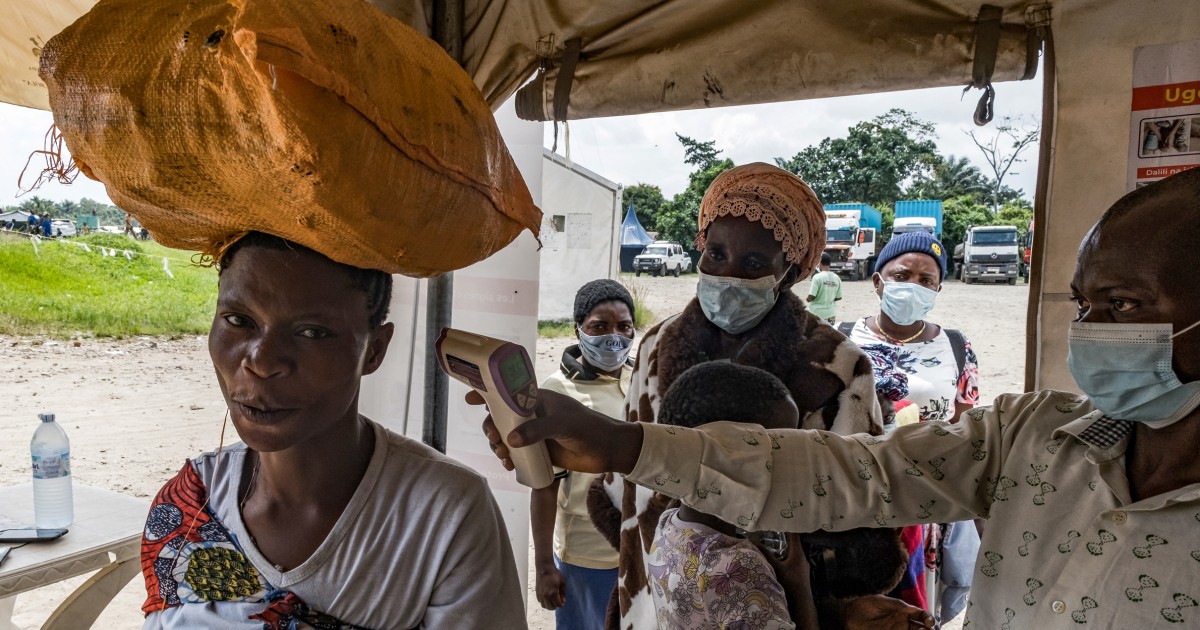
Until last year, the U.S. Agency for International Development was part of a time-tested system for dealing with Ebola. In its absence, a dozen former federal employees told NBC News, the U.S. response to the growing outbreak has been slow and disjointed. Subscribe to read this story ad-free Get unlimited access to ad-free articles and exclusive content. The Trump administration hollowed out USAID last year, canceling the majority of its programs and firing most of its staffers.
AI Summary
Main Idea: Former USAID officials say the agency’s removal slowed Ebola detection and response in Congo, while the State Department says its new system is still working.
Key Points:
- The article says Ebola likely spread for weeks before it was identified, and former officials believe USAID’s old network could have helped catch it sooner.
- They argue USAID programs used to support labs, local health workers, PPE delivery, and outbreak tracking, which can be critical in stopping Ebola fast.
- The State Department denies that changes to USAID hurt the response and says it has sent $23 million and plans to support up to 50 clinics.
- The WHO and aid groups are still dealing with the outbreak as hospitals in Congo and Uganda report shortages of masks, gloves, staff, and other supplies.
Impact on the People
Negative Impact
Slower Ebola detection abroad can raise the risk of imported cases, more health costs, and taxpayer spending for US outbreak response.
Positive Impact
The State Department says its aid and clinic support may still help contain the outbreak and lower spread risk.
How did each entity affect people?
Rate how each entity in this article affected the American people.
- Major:Congocountry
Candidate Entities10 candidates · 5 weighted vote min · 70% decision
- CongocountryMajorEvaluated
The outbreak is centered in Congo and the country’s response capacity is a major part of the story.
Include 0 (0%)Ignore 0 (0%)5 to threshold - United States Agency for International Developmentgovernment agency or bodyPrimaryAI selected
Central agency whose dismantling and absence are the main subject of the article.
Include 0 (0%)Ignore 0 (0%)5 to threshold - International Rescue Committeenonprofit / NGOMajorAI selected
Major aid organization cited as downsizing in Congo because of funding cuts.
Include 0 (0%)Ignore 0 (0%)5 to threshold - Nicholas EnrichpersonMajorAI selected
Former USAID official whose assessment that speed was lost is a major quoted view.
Include 0 (0%)Ignore 0 (0%)5 to threshold - President Donald TrumppersonMajorAI selected
His administration’s changes to USAID and foreign assistance are central to the article’s argument.
Include 0 (0%)Ignore 0 (0%)5 to threshold - World Health Organizationinternational organizationMajorAI selected
Key international body cited for outbreak numbers and coordination.
Include 0 (0%)Ignore 0 (0%)5 to threshold - Dr. Daniel BauschpersonContextCandidate
Former CDC medical officer quoted on the loss of trained community health workers.
Include 0 (0%)Ignore 0 (0%)5 to threshold
Comments 0
Comments here are the same thread shown when this article appears in The Pulse.
No comments on this article yet.
Sign in to comment