San Diego mosque suspects’ writings reveal influence of online extremism, experts say
Read Original Source
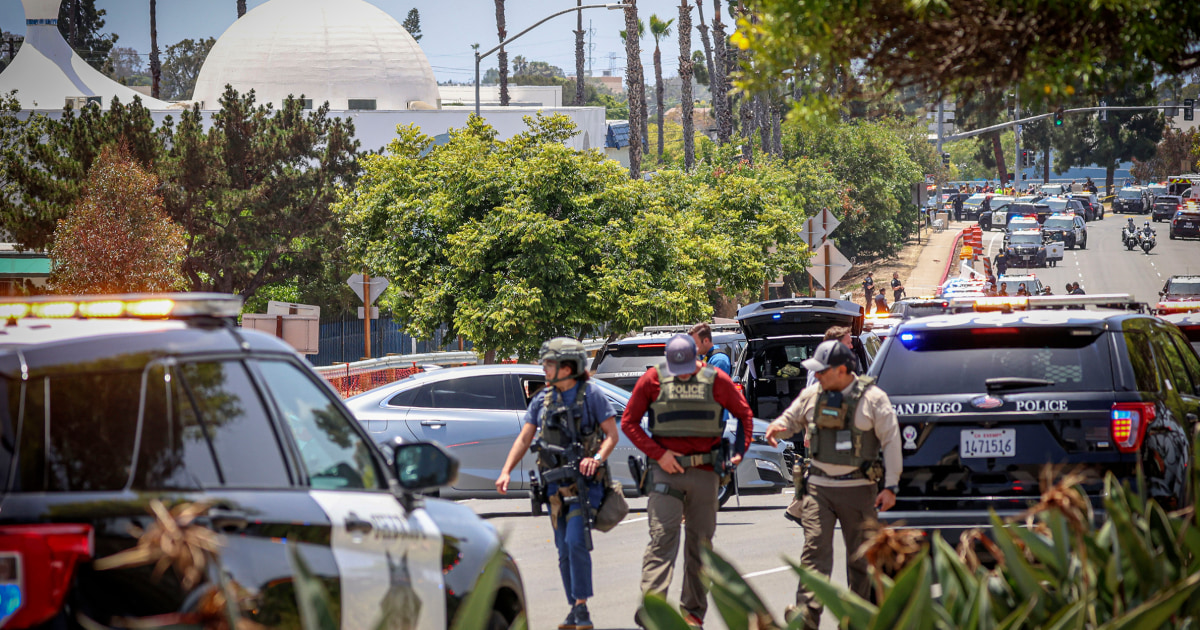
The two teenage suspects in this week’s deadly attack on a San Diego mosque appear to have written a 75-page document replete with neo-Nazi ideology, incel rage and racist meme culture drawn from the darkest corners of the internet. Subscribe to read this story ad-free Get unlimited access to ad-free articles and exclusive content.
AI Summary
Main Idea: Two teenage suspects in the San Diego mosque attack, Caleb Vazquez and Cain Clark, appear to have been shaped by online extremist ideas and left behind writings tied to hate and violence.
Key Points:
- Authorities say the suspects killed three people at the Islamic Center of San Diego before taking their own lives.
- A document linked to them reportedly includes neo-Nazi views, racist memes, antisemitic and misogynist ideas, and praise for white supremacist violence.
- Experts say the case shows how extremist content online can help young people move from hatred to real-world attacks.
- Investigators are checking whether a livestreamed video of the attack is authentic, echoing other mass shootings that spread online.
Impact on the People
Negative Impact
The attack on the Islamic Center of San Diego can increase fear in Muslim and other local communities, and it may push schools, workplaces, and houses of worship to spend more on security.
Positive Impact
The case may help law enforcement and the public spot online radicalization earlier and build stronger warning signs for violent extremism.
How did each entity affect people?
Rate how each entity in this article affected the American people.
- Primary:Cain Clarkperson
- Primary:Caleb Vazquezperson
Candidate Entities7 candidates · 5 weighted vote min · 70% decision
- Cain ClarkpersonPrimaryEvaluated
One of the two teenage suspects identified by authorities in the San Diego mosque attack; central figure in.
Include 0 (0%)Ignore 0 (0%)5 to threshold - Caleb VazquezpersonPrimaryEvaluated
One of the two teenage suspects identified by authorities in the San Diego mosque attack; central figure in.
Include 0 (0%)Ignore 0 (0%)5 to threshold - Federal Bureau of Investigationgovernment agency or bodyMajorAI selected
Federal investigators are actively examining the suspects’ radicalization and the authenticity of the alleged livestream and writings.
Include 0 (0%)Ignore 0 (0%)5 to threshold - Islamic Center of San Diegocultural institutionMajorAI selected
The mosque attacked in the shooting and the main site of the घटना discussed.
Include 0 (0%)Ignore 0 (0%)5 to threshold - American Universityeducational / research institutionContextCandidate
Affiliation of a quoted extremism expert whose analysis is a significant part of the story.
Include 0 (0%)Ignore 0 (0%)5 to threshold - George Washington Universityeducational / research institutionContextCandidate
Affiliation of a quoted extremism researcher discussing the suspects and online radicalization.
Include 0 (0%)Ignore 0 (0%)5 to threshold - Columbine High Schooleducational / research institutionMinorCandidate
Mentioned as the site of a referenced prior school massacre in the suspects’ alleged writings.
Include 0 (0%)Ignore 0 (0%)5 to threshold
Comments 0
Comments here are the same thread shown when this article appears in The Pulse.
No comments on this article yet.
Sign in to comment