De minimis trade loophole that boosted Chinese online retailers to end May 2
Read Original Source
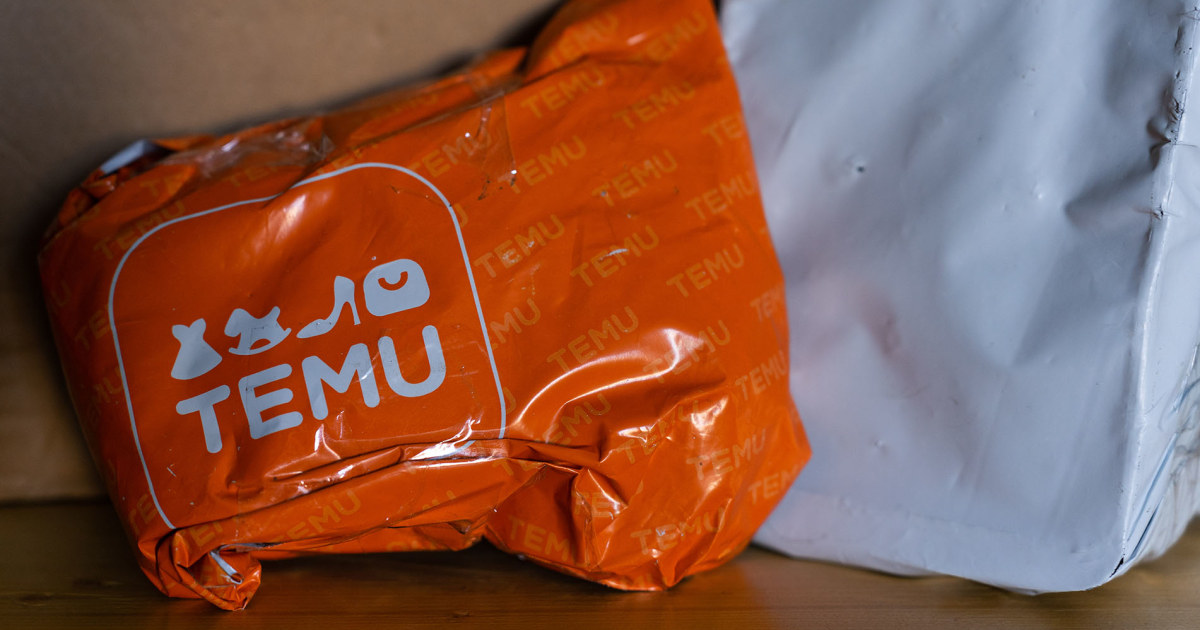
President Donald Trump on Wednesday signed an executive order shutting the de minimis trade loophole, effective May 2. Limited time: Save 25% on NBC News subscription Get exclusive reporting, live Q&As and ad-free reading. Trump in February abruptly ended the de minimis trade exemption, which allows shipments worth less than $800 to enter the U.S. duty-free. The order overwhelmed U.S. Customs and Border Protection employees and caused the U.S. Postal Service to temporarily halt packages from China and Hong Kong.
AI Summary
Main Idea: President Donald Trump signed an order to end the de minimis trade loophole on May 2, a move that will raise costs for small-value imports and affect Chinese online retailers like Temu and Shein.
Key Points:
- The de minimis rule lets shipments under $800 enter the U.S. without duties, and Trump is now ending that exemption.
- Goods that used to qualify will face a duty of 30% of value or $25 per item, rising to $50 per item on June 1.
- The change gives customs officials, retailers, and shipping companies more time to get ready after earlier confusion over the policy.
- Temu and Shein have relied heavily on the loophole, which critics say gave them an unfair edge and allowed more low-inspection packages into the U.S.
Impact on the People
Negative Impact
US shoppers may face higher prices and slower delivery on low-cost Temu and Shein orders, while customs workers and small businesses may see more paperwork and enforcement pressure.
Positive Impact
Closing the loophole may help protect US retailers from unfair price competition and reduce some risky or counterfeit goods reaching households.
How did each entity affect people?
Rate how each entity in this article affected the American people.
- Primary:President Donald Trumpperson
- Primary:Sheincompany
- Primary:Temucompany
Candidate Entities6 candidates · 5 weighted vote min · 70% decision
- President Donald TrumppersonPrimaryEvaluated
Central actor who signed the executive order ending the de minimis loophole and whose prior reversal is a.
Include 0 (0%)Ignore 0 (0%)5 to threshold - SheincompanyPrimaryEvaluated
Major company directly affected by the change and discussed as a key beneficiary of the loophole.
Include 0 (0%)Ignore 0 (0%)5 to threshold - TemucompanyPrimaryEvaluated
Major company directly affected by the change and discussed as a key beneficiary of the loophole.
Include 0 (0%)Ignore 0 (0%)5 to threshold - United States Customs and Border Protectiongovernment agency or bodyMajorAI selected
Central government agency responsible for processing de minimis shipments and affected by the policy change.
Include 0 (0%)Ignore 0 (0%)5 to threshold - United States Postal Servicegovernment agency or bodyMajorAI selected
Major public agency that temporarily halted packages from China and Hong Kong in response to the earlier decision.
Include 0 (0%)Ignore 0 (0%)5 to threshold - United StatescountryContextCandidate
Central market and regulatory jurisdiction affected by the tariff and customs changes.
Include 0 (0%)Ignore 0 (0%)5 to threshold
Comments 0
Comments here are the same thread shown when this article appears in The Pulse.
No comments on this article yet.
Sign in to comment