Taiwan gently pushes back on Trump’s warnings after China summit
Read Original Source
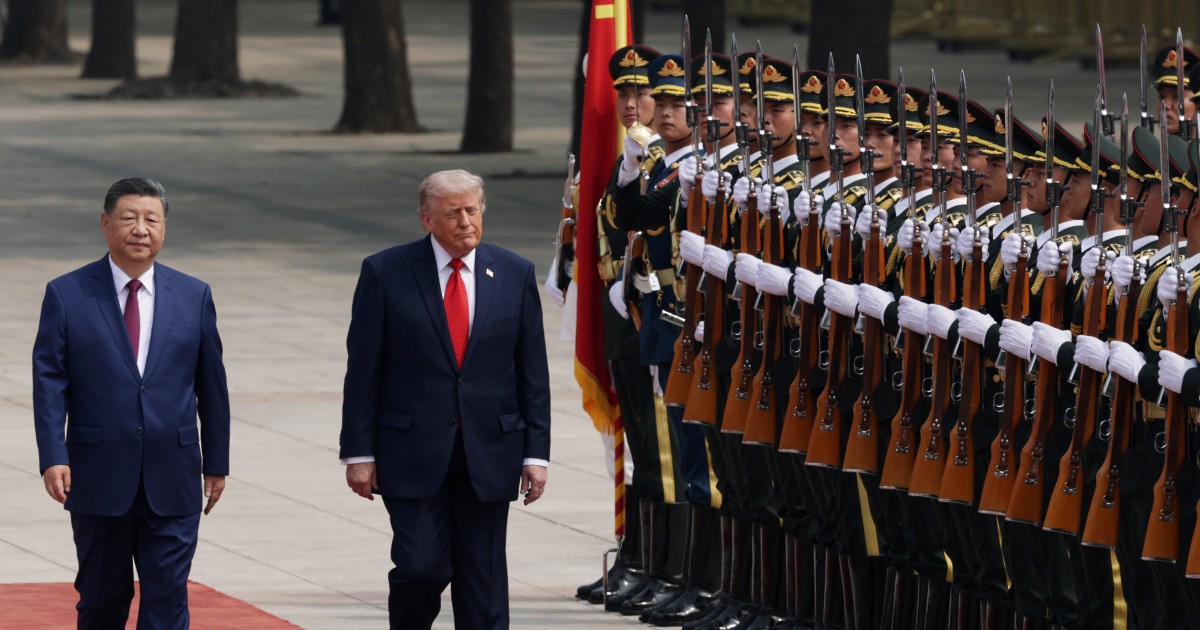
Only the Taiwanese people can decide their future, Taiwan’s president said Sunday, after President Donald Trump appeared to raise doubts about long-standing U.S. policy on his trip to China. Subscribe to read this story ad-free Get unlimited access to ad-free articles and exclusive content. Trump said he had not yet decided whether to proceed with arms sales to Taiwan, a self-ruling democracy that Beijing has vowed to control by force if necessary, after his summit with Chinese President Xi Jinping in Beijing.
AI Summary
Main Idea: Taiwan pushed back after Donald Trump questioned U.S. support and arms sales for the island following his summit with China.
Key Points:
- Taiwan’s president said only the Taiwanese people can decide the island’s future.
- Trump said he had not decided whether to move ahead with a proposed $14 billion arms sale to Taiwan.
- China warned Trump that mishandling Taiwan could put U.S.-China ties in danger.
- U.S. officials said policy toward Taiwan has not changed, even as Trump used sharper language about avoiding conflict.
Impact on the People
Negative Impact
Trump’s wavering on Taiwan could raise the risk of conflict in Asia and shake markets, which can lift prices for US consumers and hurt workers and small businesses.
Positive Impact
A clearer US stance could help deter China and reduce the chance of a crisis that would disrupt trade and supply chains.
How did each entity affect people?
Rate how each entity in this article affected the American people.
- Primary:Chinacountry
- Primary:President Donald Trumpperson
- Primary:Taiwancountry
Candidate Entities12 candidates · 5 weighted vote min · 70% decision
- ChinacountryPrimaryEvaluated
Core geopolitical actor in the Taiwan dispute and summit coverage.
Include 0 (0%)Ignore 0 (0%)5 to threshold - President Donald TrumppersonPrimaryEvaluated
Central figure in the article; his comments and possible Taiwan arms decision drive the story.
Include 0 (0%)Ignore 0 (0%)5 to threshold - TaiwancountryPrimaryEvaluated
Primary entity in the article, as the story focuses on its response and status.
Include 0 (0%)Ignore 0 (0%)5 to threshold - Taiwan President Lai Ching-tepersonPrimaryAI selected
Major public official responding directly to Trump’s remarks and defining Taiwan’s position.
Include 0 (0%)Ignore 0 (0%)5 to threshold - President Xi JinpingpersonMajorAI selected
Named leader whose summit with Trump and warnings on Taiwan are central to the article.
Include 0 (0%)Ignore 0 (0%)5 to threshold - Taiwan foreign ministrygovernment agency or bodyMajorAI selected
Official government body issuing a central statement on Taiwan’s status and U.S. policy.
Include 0 (0%)Ignore 0 (0%)5 to threshold - Taiwan presidential officegovernment agency or bodyMajorAI selected
Official body relaying reassurances from the United States and commenting on Trump’s position.
Include 0 (0%)Ignore 0 (0%)5 to threshold
Comments 0
Comments here are the same thread shown when this article appears in The Pulse.
No comments on this article yet.
Sign in to comment