Plane in deadly Alaska crash was overweight for icy conditions, NTSB says
Read Original Source
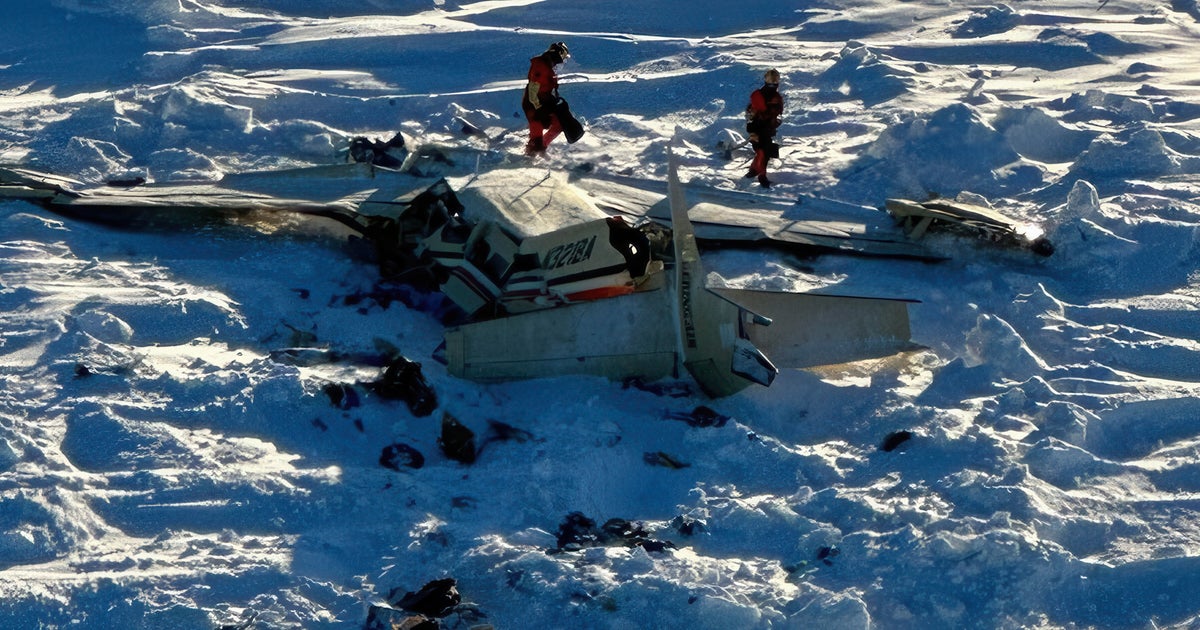
A commuter plane that crashed on sea ice off Alaska, killing all 10 people on board, was half a ton overweight for a trip into icy conditions, the National Transportation Safety Board said in a preliminary report released Wednesday. Citing the Cessna operator's log for the flight, the NTSB said in the report that baggage and cargo collectively weighed about 709 pounds, contributing to the small plane's overall takeoff weight of about 9,776 pounds.
AI Summary
Main Idea: Bering Air’s deadly Alaska crash was caused in part by a plane that was overweight for icy conditions, according to an early NTSB report.
Key Points:
- The NTSB said the Cessna Caravan was about 969 pounds over the limit for a flight expected to face icing.
- The Feb. 6 crash killed the pilot, Chad Antill, and nine passengers after the plane disappeared on a trip from Unalakleet to Nome.
- Investigators said icing was forecast, the weather was rough, and the plane lost speed and altitude before contact was lost.
- The plane did not have voice or data recorders, so investigators are still piecing together what happened, and the final cause has not been set.
Impact on the People
Negative Impact
The crash may raise concern about small-aircraft safety in Alaska, where many communities depend on flights for basic travel and goods. It could also push higher costs for operators and, by extension, passengers and taxpayers if rules or oversight change.
Positive Impact
No clear positive impact identified.
How did each entity affect people?
Rate how each entity in this article affected the American people.
- Primary:Bering Aircompany
- Major:Chad Antillperson
Candidate Entities7 candidates · 5 weighted vote min · 70% decision
- Bering AircompanyPrimaryEvaluated
Operator of the crashed commuter plane and a key subject of the investigation.
Include 0 (0%)Ignore 0 (0%)5 to threshold - Chad AntillpersonMajorEvaluated
Named pilot of the crashed flight, directly tied to the fatal incident.
Include 0 (0%)Ignore 0 (0%)5 to threshold - Textron AviationcompanyMajorAI selected
Manufacturer of the Cessna airplane involved in the crash.
Include 0 (0%)Ignore 0 (0%)5 to threshold - Clint JohnsonpersonContextCandidate
NTSB Alaska region lead quoted on the investigation and overweight findings.
Include 0 (0%)Ignore 0 (0%)5 to threshold - David OlsonpersonContextCandidate
Bering Air operations director quoted describing the flight’s route and timing.
Include 0 (0%)Ignore 0 (0%)5 to threshold - Jennifer HomendypersonContextCandidate
NTSB chairperson quoted on the aircraft’s operating conditions and investigation details.
Include 0 (0%)Ignore 0 (0%)5 to threshold - Whitney Power WilsonpersonContextCandidate
Aviation lawyer and pilot quoted providing expert context on icing and aircraft weight.
Include 0 (0%)Ignore 0 (0%)5 to threshold
Comments 0
Comments here are the same thread shown when this article appears in The Pulse.
No comments on this article yet.
Sign in to comment