Trump's China tariff increase affects Ford and GM vehicles, billions of dollars in auto parts
Read Original Source
DETROIT — President Donald Trump’s move to impose 10% additional tariffs on imports from China this week affects a small number of U.S. vehicles. But those tariffs are also hitting auto parts, which could increase already heightened vehicle prices for consumers. Limited time: Save 25% on NBC News subscription Get exclusive reporting, live Q&As and ad-free reading. The U.S. in recent years has imported roughly $15.4 billion to more than $17.
AI Summary
Main Idea: Trump’s new China tariff is raising costs for Ford and General Motors, mostly by hitting imported auto parts and a small number of China-made vehicles.
Key Points:
- The 10% added tariff affects only a small share of U.S.-sold vehicles, but it also covers billions of dollars in auto parts from China.
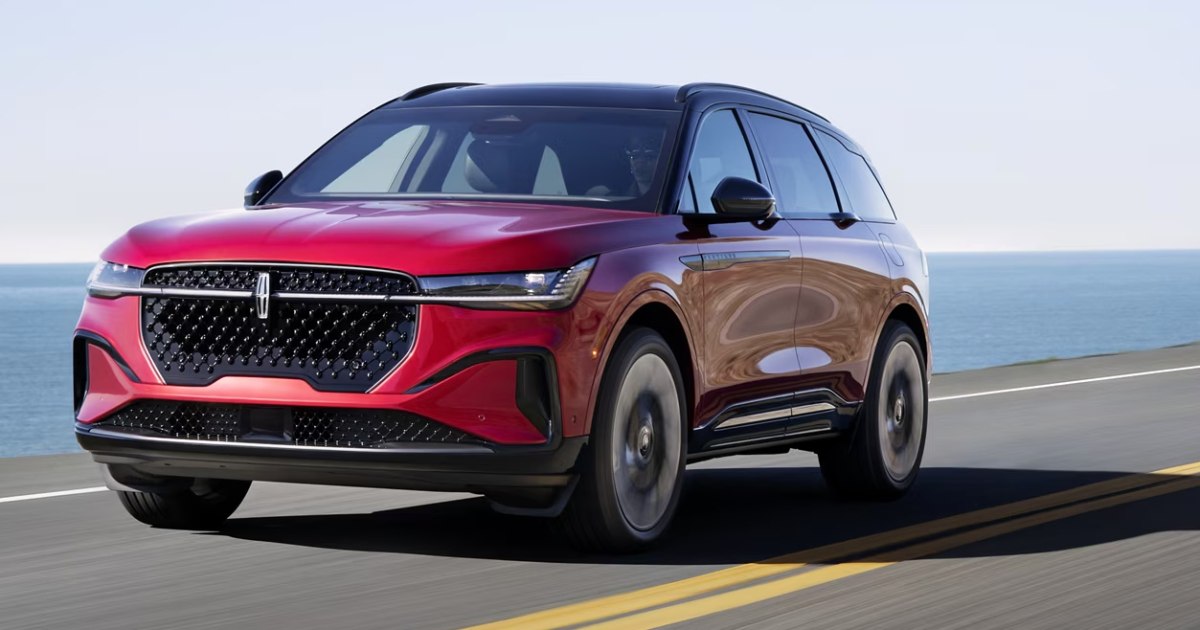
- Ford’s Lincoln Nautilus and GM’s Buick Envision make up most of the China-built cars sold in the U.S.
- Industry experts said the bigger risk is higher parts and battery costs, which could push vehicle prices even higher for buyers.
- Automakers may absorb the cost, raise prices, or change suppliers, but sales could suffer if consumers face more expensive cars.
Impact on the People
Negative Impact
Trump’s China tariff increase can raise costs for Ford and GM parts, which may push up car prices for households and slow sales.
Positive Impact
No clear positive impact identified.
How did each entity affect people?
Rate how each entity in this article affected the American people.
- Primary:General Motorscompany
Candidate Entities9 candidates · 5 weighted vote min · 70% decision
- General MotorscompanyPrimaryEvaluated
One of the two automakers most directly affected by the China-made vehicle tariff impact discussed in the story.
Include 0 (0%)Ignore 0 (0%)5 to threshold - Ford MotorcompanyPrimaryAI selected
One of the two automakers most directly affected by the China-made vehicle tariff impact discussed in the story.
Include 0 (0%)Ignore 0 (0%)5 to threshold - President Donald TrumppersonPrimaryAI selected
Central actor whose tariff increase on China drives the article’s main impact on the auto industry.
Include 0 (0%)Ignore 0 (0%)5 to threshold - Goldman SachscompanyContextCandidate
Cited for an analyst note providing context on auto parts and battery supply chains.
Include 0 (0%)Ignore 0 (0%)5 to threshold - MEMA Original Equipment Suppliersunion / trade associationContextCandidate
Trade association whose executive comments on tariff-related cost increases for suppliers.
Include 0 (0%)Ignore 0 (0%)5 to threshold - National Highway Traffic Safety Administrationgovernment agency or bodyContextCandidate
Cited as the source for data on China-made components in U.S. electrified vehicles.
Include 0 (0%)Ignore 0 (0%)5 to threshold - PolestarcompanyContextCandidate
Mentioned alongside Volvo as a China-linked EV maker affected by the tariff environment.
Include 0 (0%)Ignore 0 (0%)5 to threshold
Comments 0
Comments here are the same thread shown when this article appears in The Pulse.
No comments on this article yet.
Sign in to comment