DOJ's deletion of Jan. 6 records triggers legal challenge
Read Original Source
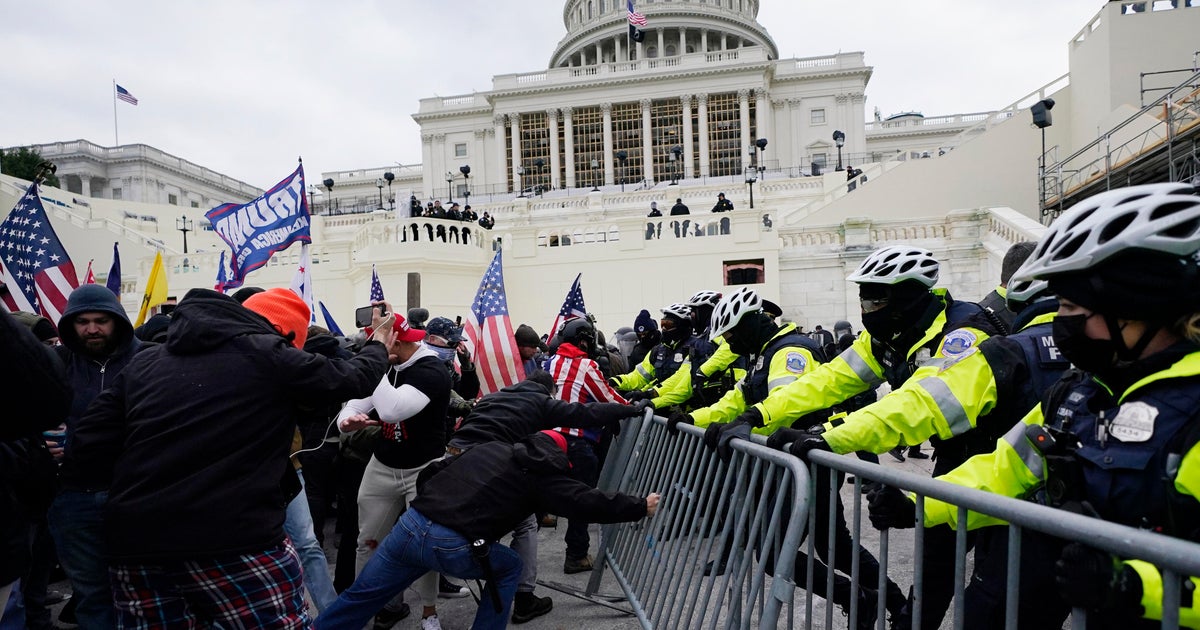
A decision by the acting leadership at the U.S. Justice Department to delete its public webpages and case summaries of the Jan. 6 siege at the Capitol prosecution has triggered a legal challenge from a watchdog group and blowback from a federal judge who oversaw some of the cases. The controversial decision has also drawn the ire of one of the rioters who pleaded guilty. The Justice Department had built a comprehensive database of the approximately 1,600 defendants from the U.S.
AI Summary
Main Idea: The Justice Department’s deletion of Jan. 6 public records has led to a legal challenge and criticism over whether President Donald Trump’s administration is trying to erase the history of the Capitol attack.
Key Points:
- A watchdog group asked federal officials to investigate whether the Justice Department broke the law by removing the Jan. 6 webpages and case summaries.
- A federal judge criticized Trump’s claim that the Jan. 6 prosecutions were a “national injustice” and said the facts do not support that idea.
- The deleted materials had tracked about 1,600 Capitol riot defendants and included monthly updates on the prosecutions.
- The move drew sharp criticism from a Jan. 6 defendant who said it is part of an effort to rewrite history.
Impact on the People
Negative Impact
Deleting Jan. 6 Case records can weaken public oversight and make it harder for voters and taxpayers to track how the Justice Department handled a major prosecution.
Positive Impact
No clear positive impact identified.
How did each entity affect people?
Rate how each entity in this article affected the American people.
- Primary:Justice Departmentgovernment agency or body
- Primary:President Donald Trumpperson
Candidate Entities9 candidates · 5 weighted vote min · 70% decision
- Justice Departmentgovernment agency or bodyPrimaryEvaluated
The agency took the central action of deleting public webpages and case summaries.
Include 0 (0%)Ignore 0 (0%)5 to threshold - President Donald TrumppersonPrimaryEvaluated
His orders and proclamation drive the deletion of the Jan. 6 records and the broader dispute.
Include 0 (0%)Ignore 0 (0%)5 to threshold - Citizens for Ethics and Responsibility in Washingtonnonprofit / NGOMajorAI selected
Watchdog group that filed a legal challenge and asked for an investigation.
Include 0 (0%)Ignore 0 (0%)5 to threshold - Kash PatelpersonMajorAI selected
Named nominee during the transition period relevant to the Justice Department’s actions and oversight.
Include 0 (0%)Ignore 0 (0%)5 to threshold - National Archives and Records Administrationgovernment agency or bodyMajorAI selected
The watchdog asked this agency to take action over the deletion of records.
Include 0 (0%)Ignore 0 (0%)5 to threshold - Pam BondipersonMajorAI selected
Named nominee during the transition period relevant to the Justice Department’s actions and oversight.
Include 0 (0%)Ignore 0 (0%)5 to threshold - U.S. District Court Judge Paul FriedmanpersonMajorAI selected
Issued an opinion criticizing the deletion and included the database in his ruling.
Include 0 (0%)Ignore 0 (0%)5 to threshold
Comments 0
Comments here are the same thread shown when this article appears in The Pulse.
No comments on this article yet.
Sign in to comment