Supreme Court leans toward reviving excessive claim against cop who killed a Black man in a traffic stop
Read Original Source
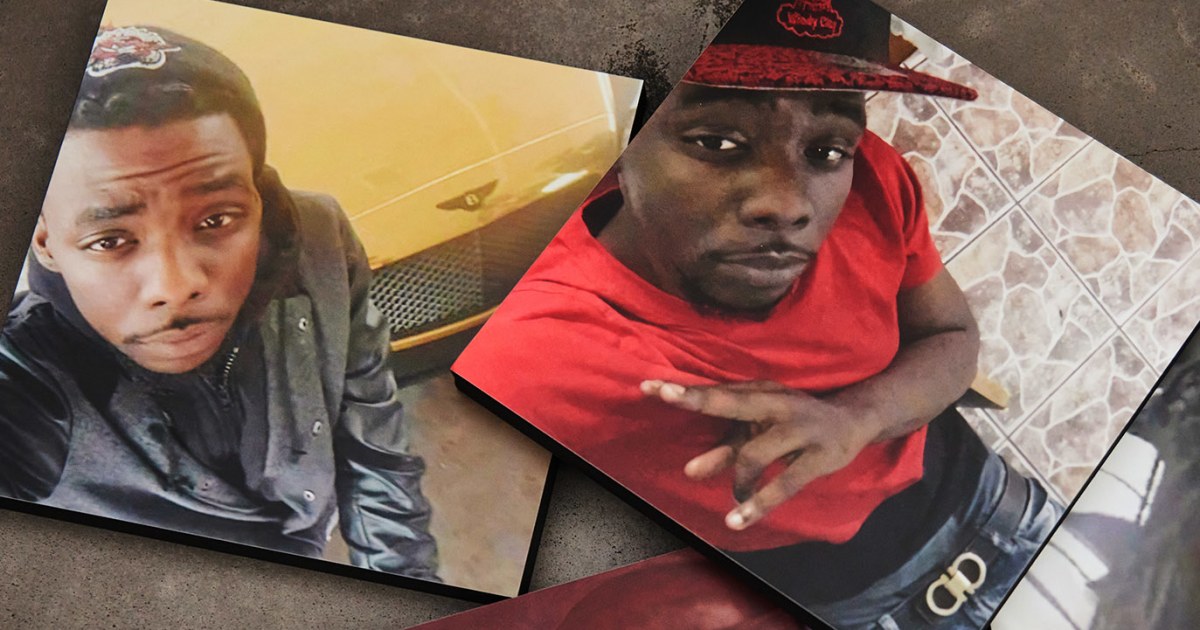
WASHINGTON — Supreme Court justices on Wednesday appeared likely to allow an excessive force claim brought against a police officer over the shooting of a Black man following a routine traffic stop in Houston to move forward. Limited time: Save 25% on NBC News subscription Get exclusive reporting, live Q&As and ad-free reading. Ashtian Barnes, 24, was killed in April 2016 when the vehicle he was driving started moving forward while he was speaking to the officer. Roberto Felix Jr.
AI Summary
Main Idea: The Supreme Court appeared likely to revive a civil rights claim over a Houston police officer’s fatal shooting of Ashtian Barnes during a traffic stop, sending the case back for more review.
Key Points:
- Justices from across the court seemed to agree that lower courts used too narrow a view of the facts.
- The key issue is whether judges should consider only the seconds before the shooting or the full lead-up to the use of force.
- Janice Hughes, Barnes’ mother, says the officer used excessive force and violated the Constitution.
- Any ruling is likely to be narrow and would not decide the final outcome of the case or remove the officer’s qualified immunity defense.
Impact on the People
Negative Impact
A ruling that expands police force claims could raise local government costs and make traffic stops feel riskier for drivers and communities.
Positive Impact
A ruling that tells courts to weigh the full encounter could give families like Janice Hughes' a better chance to seek justice and push clearer limits on police.
How did each entity affect people?
Rate how each entity in this article affected the American people.
- Primary:Ashtian Barnesperson
- Primary:Janice Hughesperson
Candidate Entities10 candidates · 5 weighted vote min · 70% decision
- Ashtian BarnespersonPrimaryEvaluated
Man killed during the traffic stop; his death is the underlying event driving the case.
Include 0 (0%)Ignore 0 (0%)5 to threshold - Janice HughespersonPrimaryEvaluated
Plaintiff and mother of Ashtian Barnes; her lawsuit is the central case the article follows.
Include 0 (0%)Ignore 0 (0%)5 to threshold - Roberto Felix Jr.personPrimaryAI selected
Police officer whose use of force is at issue in the Supreme Court case.
Include 0 (0%)Ignore 0 (0%)5 to threshold - Supreme Courtgovernment agency or bodyPrimaryAI selected
Central դատար court whose justices heard the case and are likely to issue the ruling discussed in the.
Include 0 (0%)Ignore 0 (0%)5 to threshold - Harris County Precinct 5 Constables Officegovernment agency or bodyMajorAI selected
Employer of the officer involved and a directly implicated law-enforcement body in the case.
Include 0 (0%)Ignore 0 (0%)5 to threshold - Justice Brett KavanaughpersonMajorAI selected
Named justice whose concerns during oral argument are a major part of the story.
Include 0 (0%)Ignore 0 (0%)5 to threshold - Justice Elena KaganpersonMajorAI selected
Named justice whose comments during oral argument are quoted and help frame the court’s likely direction.
Include 0 (0%)Ignore 0 (0%)5 to threshold
Comments 0
Comments here are the same thread shown when this article appears in The Pulse.
No comments on this article yet.
Sign in to comment