U.S. issues sanctions on Sudanese army chief Burhan
Read Original Source
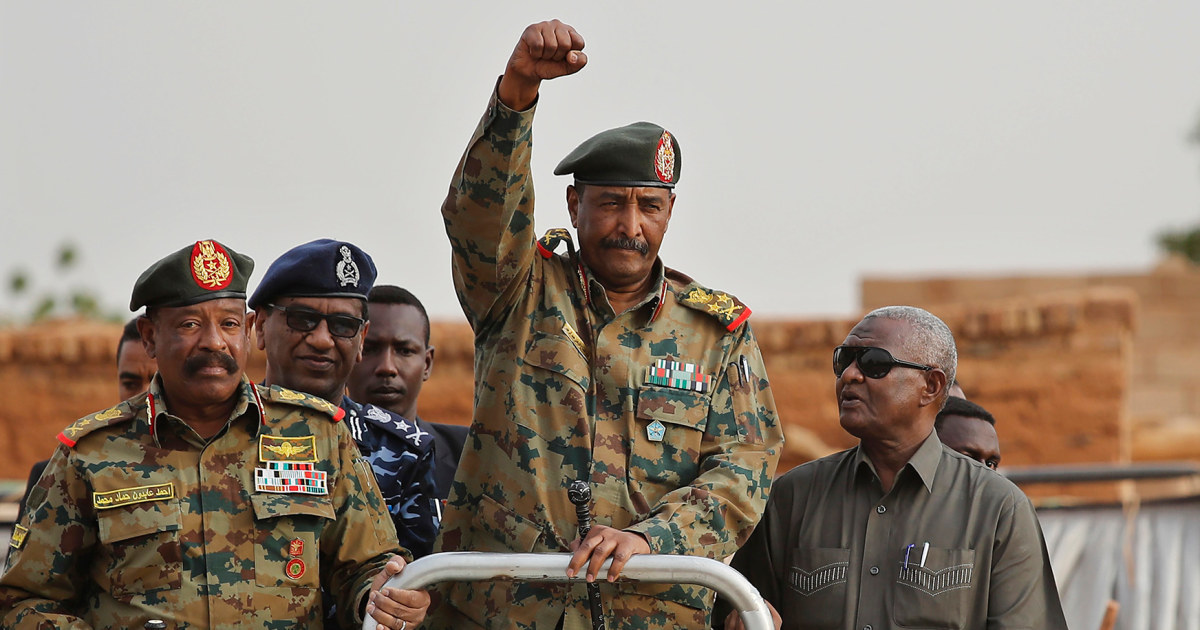
NAIROBI/WASHINGTON — The United States on Thursday imposed sanctions on Sudan’s leader, army chief Abdel Fattah al-Burhan, accusing him of choosing war over negotiations to bring an end to the conflict that has killed tens of thousands of people and driven millions from their homes. Limited time: Save 25% on NBC News subscription Get exclusive reporting, live Q&As and ad-free reading. The U.S.
AI Summary
Main Idea: The United States imposed sanctions on Sudanese army chief Abdel Fattah al-Burhan, saying he has chosen war over peace in Sudan’s civil conflict.
Key Points:
- The Treasury Department said Burhan’s forces have carried out indiscriminate bombing, attacks on civilian sites, and extrajudicial killings.
- The sanctions freeze any U.S. assets Burhan has and bar most Americans from dealing with him.
- Washington also sanctioned people and a company tied to weapons supplies for the army, and said the steps were meant to avoid picking sides.
- The move came a week after the U.S. sanctioned Burhan’s rival, Mohamed Hamdan Dagalo, as the war in Sudan continues to drive hunger and mass displacement.
Impact on the People
Negative Impact
Sanctions on Sudan’s army chief may not end the war quickly, so US families and small businesses could still face higher aid costs and more pressure from global instability.
Positive Impact
The sanctions may push Sudan’s leaders toward talks and help protect more civilians, which could reduce future humanitarian costs for US taxpayers.
How did each entity affect people?
Rate how each entity in this article affected the American people.
- Primary:Abdel Fattah al-Burhanperson
- Major:Mohamed Hamdan Dagaloperson
Candidate Entities7 candidates · 5 weighted vote min · 70% decision
- Abdel Fattah al-BurhanpersonPrimaryEvaluated
Sudan’s army chief is the article’s primary focus and is the main target of the U.S. sanctions.
Include 0 (0%)Ignore 0 (0%)5 to threshold - Mohamed Hamdan DagalopersonMajorEvaluated
Burhan’s rival and the other major sanctioned military leader in the Sudan civil war.
Include 0 (0%)Ignore 0 (0%)5 to threshold - United States Treasury Departmentgovernment agency or bodyPrimaryAI selected
The Treasury Department is the agency that formally imposed the sanctions and explained the action.
Include 0 (0%)Ignore 0 (0%)5 to threshold - Rapid Support Forcespolitical organizationMajorAI selected
Major armed faction in the civil war and the rival force to Burhan’s army.
Include 0 (0%)Ignore 0 (0%)5 to threshold - Saudi ArabiacountryContextCandidate
Cited as a key diplomatic actor that has tried to mediate the conflict.
Include 0 (0%)Ignore 0 (0%)5 to threshold - Al Jazeeramedia outletMinorCandidate
Mentioned as the outlet broadcasting Burhan’s comments; a secondary reference only.
Include 0 (0%)Ignore 0 (0%)5 to threshold - Hong KongcityMinorCandidate
Named in connection with a company targeted in the sanctions action.
Include 0 (0%)Ignore 0 (0%)5 to threshold
Comments 0
Comments here are the same thread shown when this article appears in The Pulse.
No comments on this article yet.
Sign in to comment