Biden spoke with Netanyahu; Sullivan says hostage deal very close
Read Original Source
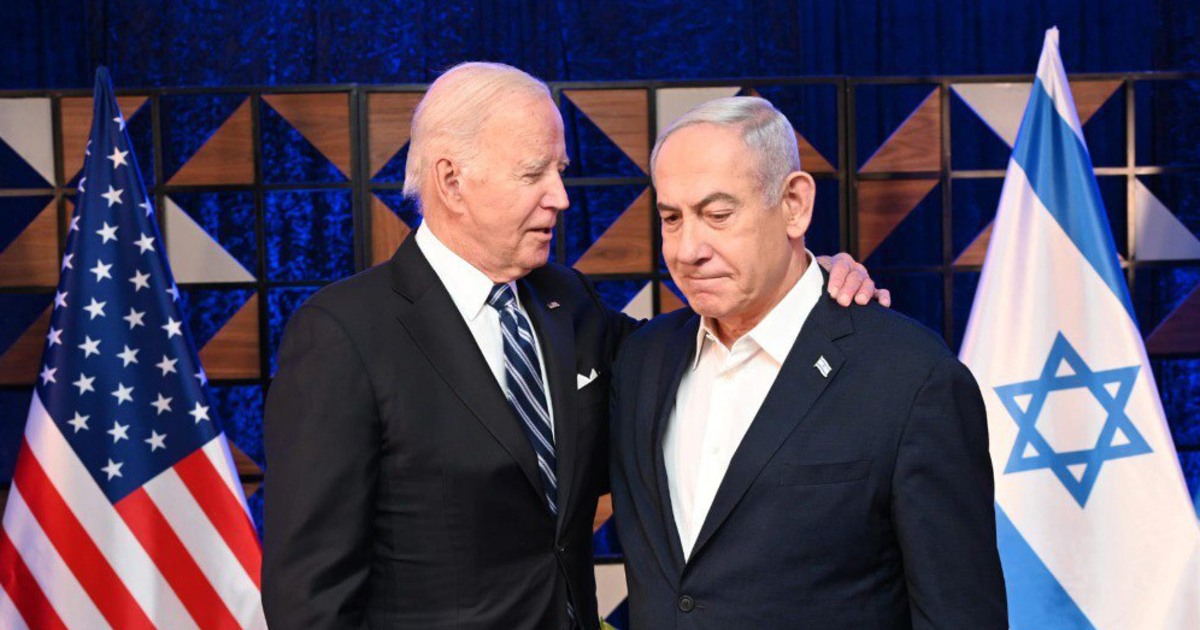
WASHINGTON — U.S. President Joe Biden spoke on Sunday with Israeli Prime Minister Benjamin Netanyahu, the White House said, as U.S. officials race to reach a Gaza hostage and ceasefire deal before Biden leaves office on Jan. 20. Limited time: Save 25% on NBC News subscription Get exclusive reporting, live Q&As and ad-free reading.
AI Summary
Main Idea: President Joe Biden spoke with Benjamin Netanyahu as U.S. officials said a Gaza hostage and ceasefire deal was very close, but not yet finished.
Key Points:
- Biden pressed for an immediate ceasefire in Gaza, the return of hostages, and more humanitarian aid.
- Netanyahu said he updated Biden on progress and on the Israeli team working in Doha to advance the talks.
- Jake Sullivan said the sides were “very, very close,” but Hamas could still block a final deal.
- The talks come as Biden races the clock before leaving office, while the war has caused major death and destruction in Gaza.
Impact on the People
Negative Impact
A delay or collapse in the Gaza deal could keep hostages trapped and prolong violence and higher aid needs, which may add pressure on US taxpayers and stir public anger.
Positive Impact
A ceasefire and hostage release could ease Middle East tensions and bring more humanitarian aid, which may lower risks of wider shocks for US families and markets.
How did each entity affect people?
Rate how each entity in this article affected the American people.
- Primary:Benjamin Netanyahuperson
- Primary:President Joe Bidenperson
- Major:Hamaspolitical organization
Candidate Entities8 candidates · 5 weighted vote min · 70% decision
- Benjamin NetanyahupersonPrimaryEvaluated
Central actor in the article; held the call with Biden and is leading Israel’s side of the hostage-negotiation.
Include 0 (0%)Ignore 0 (0%)5 to threshold - President Joe BidenpersonPrimaryEvaluated
Central actor in the article; spoke with Benjamin Netanyahu and is driving the push for a Gaza hostage.
Include 0 (0%)Ignore 0 (0%)5 to threshold - Hamaspolitical organizationMajorEvaluated
Key negotiating party and combatant whose stance on the hostage deal is central to the article.
Include 0 (0%)Ignore 0 (0%)5 to threshold - Jake SullivanpersonMajorAI selected
Named White House national security adviser whose comments that a deal is “very, very close” are a major.
Include 0 (0%)Ignore 0 (0%)5 to threshold - Donald TrumppersonContextCandidate
Mentioned for his stated support of Israel and promise of Middle East peace, but only as broader political.
Include 0 (0%)Ignore 0 (0%)5 to threshold - JD VancepersonContextCandidate
Mentioned as vice president-elect and quoted on expectations for a deal, but not a central decision-maker in the.
Include 0 (0%)Ignore 0 (0%)5 to threshold - Fox Newsmedia outletMinorCandidate
Source of the vice president-elect interview cited in the article.
Include 0 (0%)Ignore 0 (0%)5 to threshold
Comments 0
Comments here are the same thread shown when this article appears in The Pulse.
No comments on this article yet.
Sign in to comment